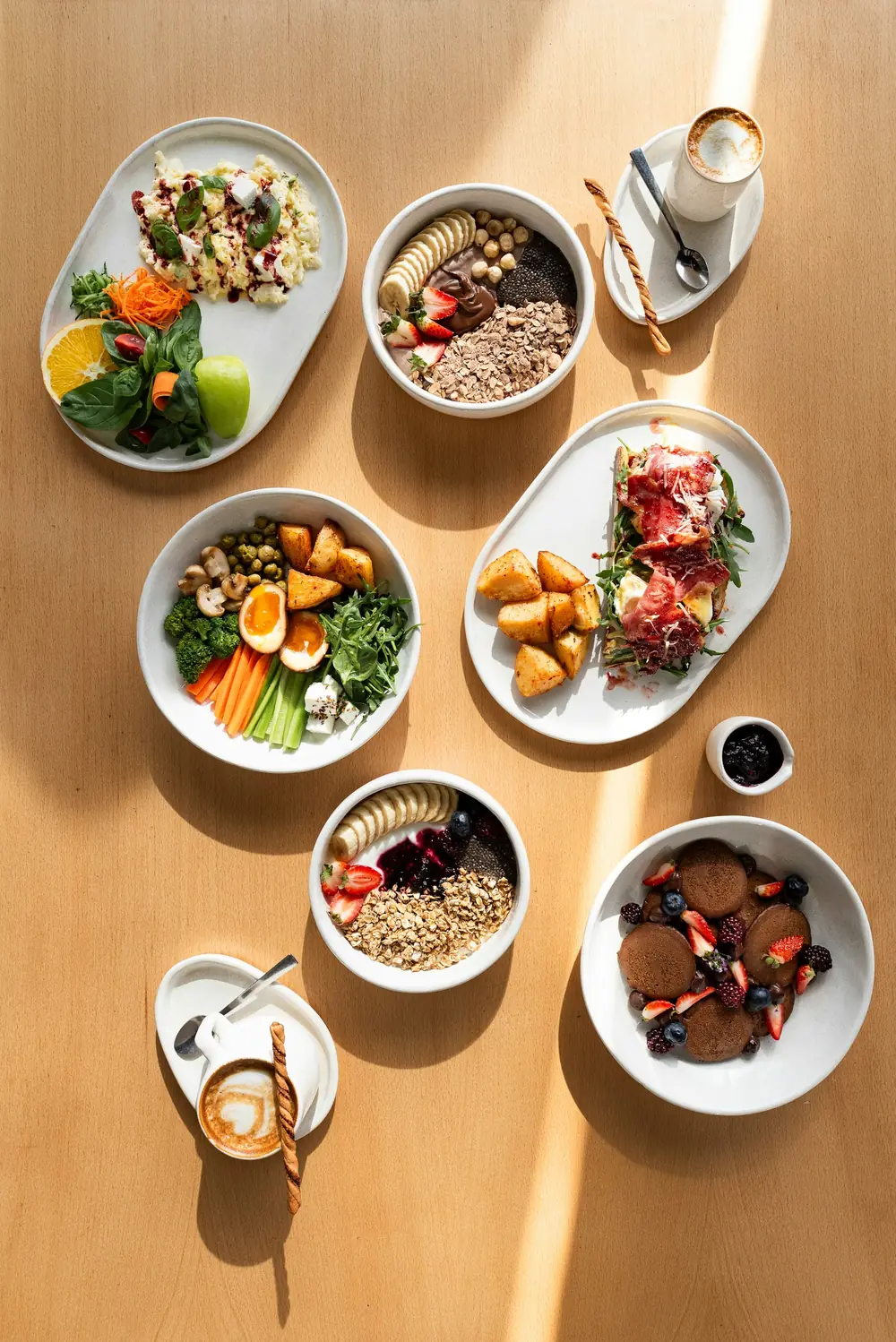
The simple plate
You don't need a named diet. Try this plate for most meals:
- Half the plate: vegetables or salad
- A quarter: protein, like chicken, fish, eggs, tofu, beans or Greek yogurt
- A quarter: whole-grain or starchy carbs, like rice, potatoes, oats or bread
- A thumb of fat: olive oil, nuts or avocado
It's close to the USDA MyPlate model, tuned a little toward protein.
Foods that keep you full
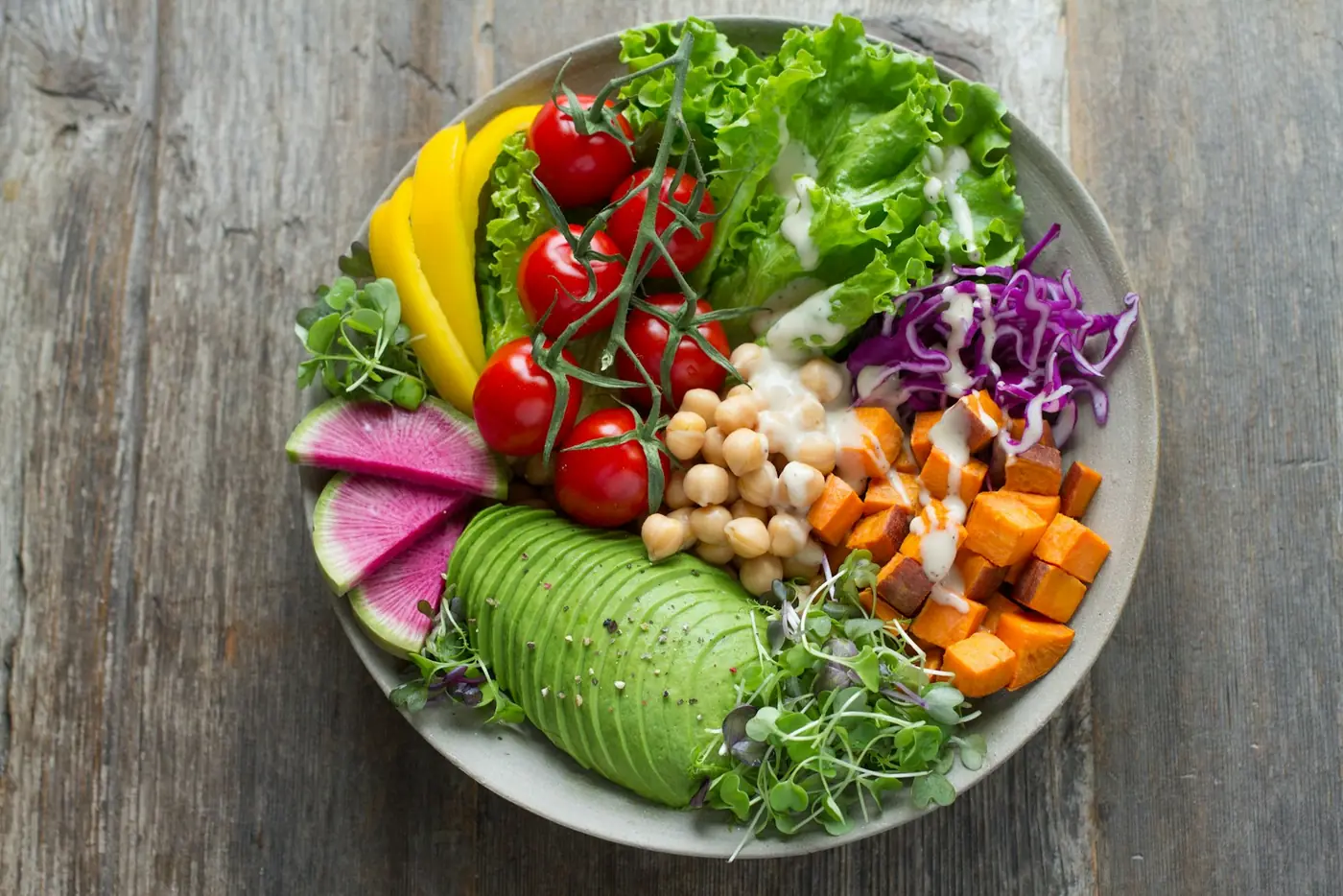
Fullness comes mostly from protein, fiber and water. Good picks:
- Eggs, Greek yogurt, cottage cheese, lean meat, fish and tofu
- Beans, lentils and chickpeas
- Vegetables, berries, apples and other whole fruit
- Oats, potatoes and whole grains
- Broth-based soups
Curious about a specific food? See oatmeal, eggs, potatoes and rice.
Does the diet type matter
Large trials comparing low-carb, low-fat and other diets usually find similar average weight loss over a year. The best diet is the one you can keep eating. Pick the pattern that suits your tastes, budget and schedule.
A sample day
| Meal | Example |
|---|---|
| Breakfast | Greek yogurt with berries and a spoon of oats |
| Lunch | Chicken, rice and roasted vegetables |
| Snack | Apple and a cheese stick |
| Dinner | Salmon, potatoes and a big salad |
Adjust portions to your calorie target from the TDEE calculator.
Easy swaps that cut calories
| Instead of | Try |
|---|---|
| Soda or sweet tea | Sparkling water or unsweetened tea |
| Creamy dressing | Vinaigrette or salsa |
| Chips | Popcorn or crunchy vegetables with hummus |
| Sugary cereal | Oats with berries or Greek yogurt |
| Fried chicken | Grilled or baked chicken |
One or two swaps a day can create a meaningful deficit without feeling like a diet.
Eating on a GLP-1
If you take a GLP-1 medicine, smaller portions happen naturally. Put protein first, eat slowly and go easy on greasy foods, which can worsen nausea. Read what to eat on a GLP-1.
What the research says
- Low-carb vs low-fat: In the DIETFITS trial, published in JAMA in 2018, about 600 adults followed a healthy low-carb or healthy low-fat diet for a year. Average loss was similar, about 12 to 13 pounds, with wide differences between people.
- Different macro mixes: A 2009 NEJM trial of 4 diets with different shares of fat, protein and carbs found similar weight loss at 2 years.
- Diet quality: Both DIETFITS groups were coached to eat whole foods, cut added sugar and refined grains, and cook more. That shared advice may matter as much as the carb or fat split.
The evidence here is fairly strong: the pattern you can keep beats the pattern that looks best on paper.
Pick foods with more volume
Some foods give you a lot to eat for few calories because they're full of water and fiber. Here's roughly what 100 calories looks like:
| Food | About 100 calories |
|---|---|
| Strawberries | about 2 cups |
| Apple | 1 medium |
| Cooked broccoli | about 2 cups |
| Air-popped popcorn | about 3 cups |
| Potato chips | about 10 chips |
| Olive oil | a little less than 1 tablespoon |
Filling half your plate with high-volume foods makes a smaller calorie target feel normal. See more in low calorie, high volume foods.
Easy protein for busy days
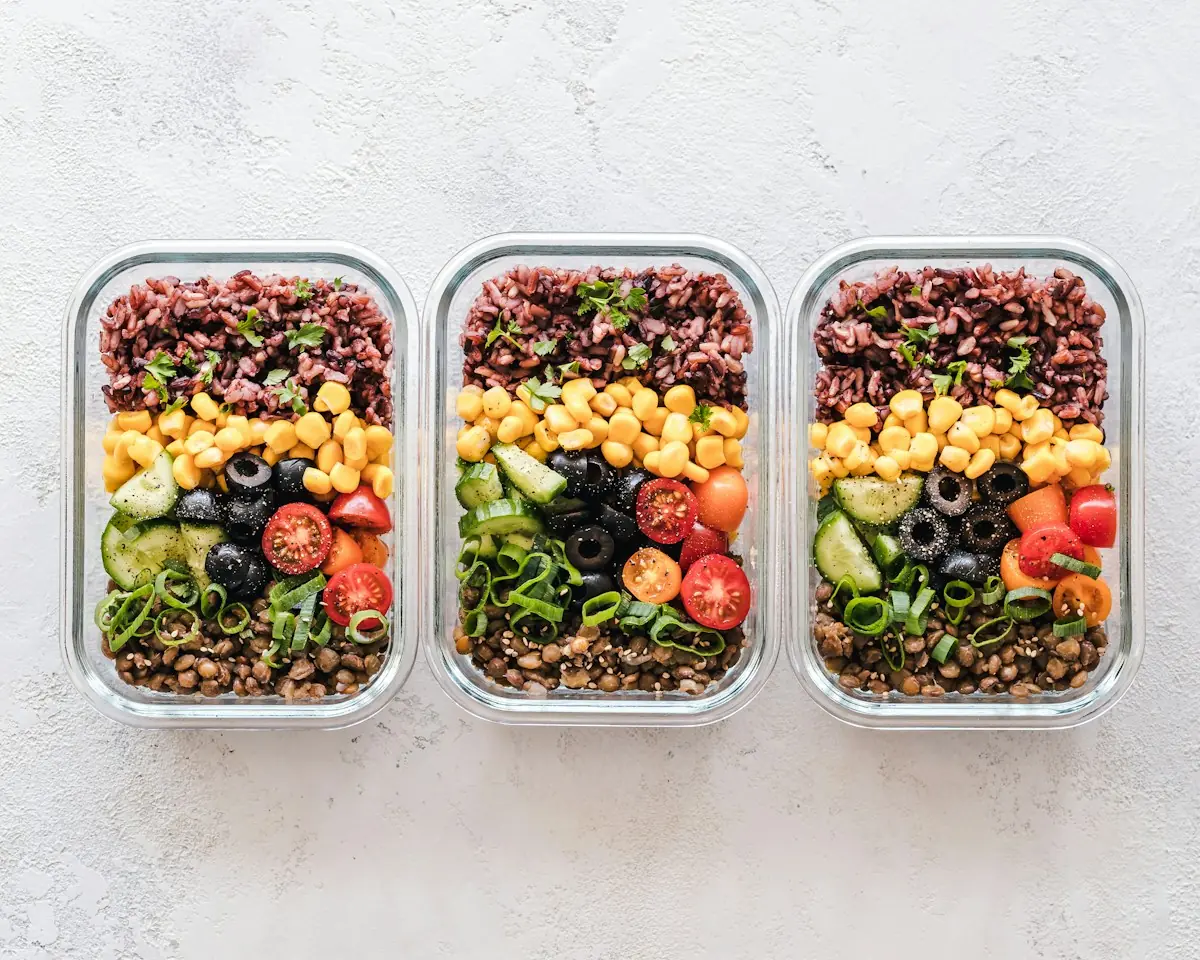
Protein is easy to run short on when you eat less. Keep a few no-cook options around: Greek yogurt, cottage cheese, hard-boiled eggs, canned tuna or salmon, rotisserie chicken and ready-to-eat beans.
For ideas, see high protein breakfast ideas and high protein snacks. Find your daily target with the protein calculator.
When to get personal advice
A registered dietitian or your clinician can tailor your plan if you have diabetes, kidney disease, heart disease or food allergies, or if you're pregnant or breastfeeding. They can also help if eating has felt stressful or out of control.
Eating out without stress
Restaurant portions often run larger than home portions, so a few simple habits help:
- Look for a grilled, baked or roasted protein and add a vegetable side
- Ask for dressings and sauces on the side
- Box half of a large portion before you start
- Choose one extra, like bread, a drink or dessert, rather than all three
One meal out won't undo your progress. What you do most days is what counts.
Where calories hide
- Sweet drinks, juices and fancy coffees
- Cooking oils and dressings (about 120 calories per tablespoon of oil)
- Grazing snacks and bites while cooking
- Weekend meals out
Run your numbers
Keep reading
Common questions
What is the best food to eat to lose weight?
There isn't one magic food. Meals built around protein, vegetables and fiber keep you fullest on the fewest calories.
What should I eat to lose weight fast?
Prioritize protein and vegetables, cut sweet drinks and keep a steady calorie deficit. Very low calorie plans should be medically supervised.
Do I have to cut carbs to lose weight?
No. Low-carb and higher-carb diets give similar average results when calories are equal. Choose what you can stick with.
Sources
Clinician review pending. Drafted from primary sources and waiting for sign-off by a licensed clinician (MD, DO or PharmD) before launch. Every number is checked against its source. Drug facts are re-checked quarterly, prices monthly and whenever a label changes. How we review · Report an error