Why eggs help
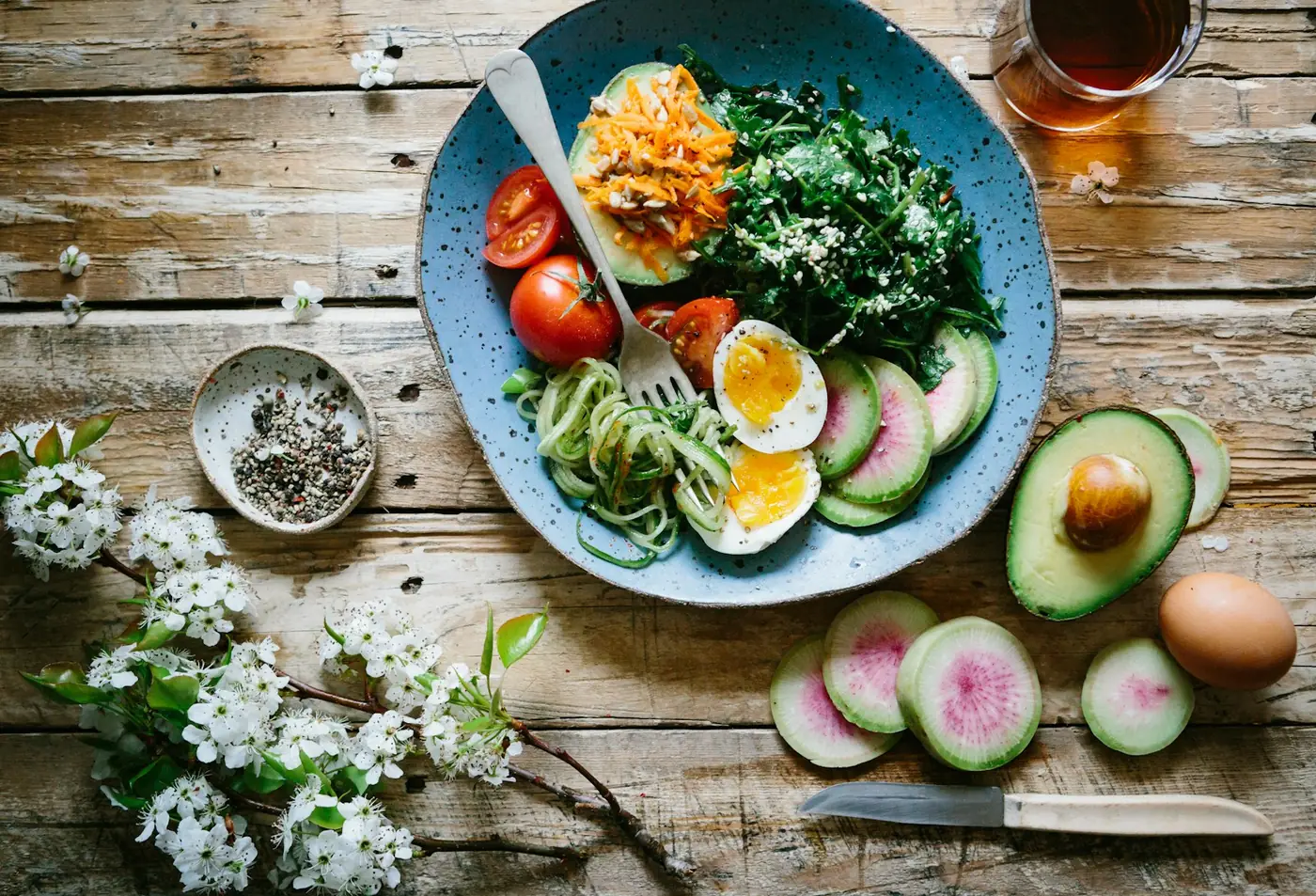
Yes, eggs are good for weight loss for most people. A large hard-boiled egg has about 78 calories and 6 grams of protein, with no added fat and almost no carbs.
Eggs are a complete protein, cheap and quick to cook. In some studies, people who ate eggs for breakfast felt fuller and ate a bit less later in the day than those who ate a bagel with similar calories. Results across studies are mixed, but adding protein to breakfast is a well-supported habit.
Boiled, scrambled or fried
| Two large eggs, cooked as | Approx. calories |
|---|---|
| Hard-boiled or poached | 155 |
| Scrambled with a splash of milk, nonstick pan | 170 to 190 |
| Fried in 1 tbsp butter | about 255 |
| Plus 2 strips bacon and buttered toast | 500 or more |
Hard-boiled eggs win on simplicity: no added fat and easy to portion.
What the research says on eggs
Here's an honest look at the evidence, from strongest to weakest:
- Protein helps fullness (fairly strong): many studies show higher-protein meals keep people satisfied longer than lower-protein meals with the same calories. Eggs are an easy way to add protein.
- Eggs vs bagels (modest, mixed): a few small trials found an egg breakfast within a reduced-calorie diet led to slightly more weight loss than a bagel breakfast. Other studies found no real difference.
- Eggs and heart health (mixed): large long-term studies have mostly found that up to about one egg a day isn't linked to higher heart disease risk in healthy adults. Findings for people with diabetes are less clear.
The takeaway: eggs are a useful tool, not a magic food. They work because they make a protein-rich breakfast cheap and fast.
The cholesterol question
Eggs are high in dietary cholesterol, about 186 mg per large egg, mostly in the yolk. For most people, dietary cholesterol has a smaller effect on blood cholesterol than once thought. The Dietary Guidelines suggest keeping dietary cholesterol as low as possible within a healthy eating pattern. If you have high LDL, diabetes or heart disease, ask your clinician how many eggs fit your plan. Egg whites are an option: almost all protein, very few calories.
Common egg mistakes
- Free-pouring the butter or oil. A tablespoon of butter adds about 100 calories, more than an egg. A nonstick pan and a light spray do the same job.
- Letting the sides take over. Bacon, sausage, hash browns and buttered toast often add more calories than the eggs. Make vegetables the side instead.
- Eating only whites forever. Whites are lean, but the yolk carries vitamin D, choline and B12. Most people do well with a mix.
- Restaurant omelets. Many are made with 3 or more eggs, cheese and butter, and can top 600 calories. Ask for egg whites or half the cheese.
Egg whites vs whole eggs
Splitting eggs into whites and yolks is a common weight-loss trick. Here's what you gain and lose:
| Per large egg | Approx. calories | Protein | Fat |
|---|---|---|---|
| Whole egg | about 72 to 78 | 6 g | 5 g |
| White only | about 17 | 3.6 g | 0 g |
| Yolk only | about 55 | 2.7 g | 4.5 g |
Whites are almost pure protein, so mixing them with whole eggs raises protein per calorie. But the yolk holds most of the egg's vitamins and minerals, including vitamin D, choline, B12 and lutein. Choline in particular is a nutrient many Americans don't get enough of. A good middle ground is two whole eggs plus two whites, about 190 calories and 19 grams of protein.
Food safety is simple: cook eggs until whites and yolks are firm if you're pregnant, older or have a weakened immune system, and refrigerate hard-boiled eggs within two hours. Peeled or unpeeled, they keep about a week in the fridge, which makes Sunday batch-boiling a practical habit. Older eggs actually peel more easily than very fresh ones.
How to eat them for weight loss
- Batch-boil six eggs on Sunday for grab-and-go snacks.
- Veggie scramble: two eggs plus spinach, peppers and salsa.
- Mix whole eggs and whites for more protein per calorie.
- Egg salad swap: use Greek yogurt instead of mayo.
The verdict: eggs are a great fit for most weight-loss plans. See how they help you reach your protein floor. For example, someone around 170 pounds can see protein needs at 170 lb; two eggs cover about 12 of those grams.
Run your numbers
Keep reading
Common questions
Are boiled eggs good for weight loss?
Yes. A hard-boiled egg has about 78 calories and 6 grams of protein with no added fat, which makes it an easy, filling snack.
How many eggs a day is OK for weight loss?
Many healthy adults eat one to three a day. If you have high cholesterol, diabetes or heart disease, ask your clinician.
Is the egg diet a good idea?
Eating mostly eggs is restrictive and hard to sustain. Eggs work best as one protein among many.