Why volume works
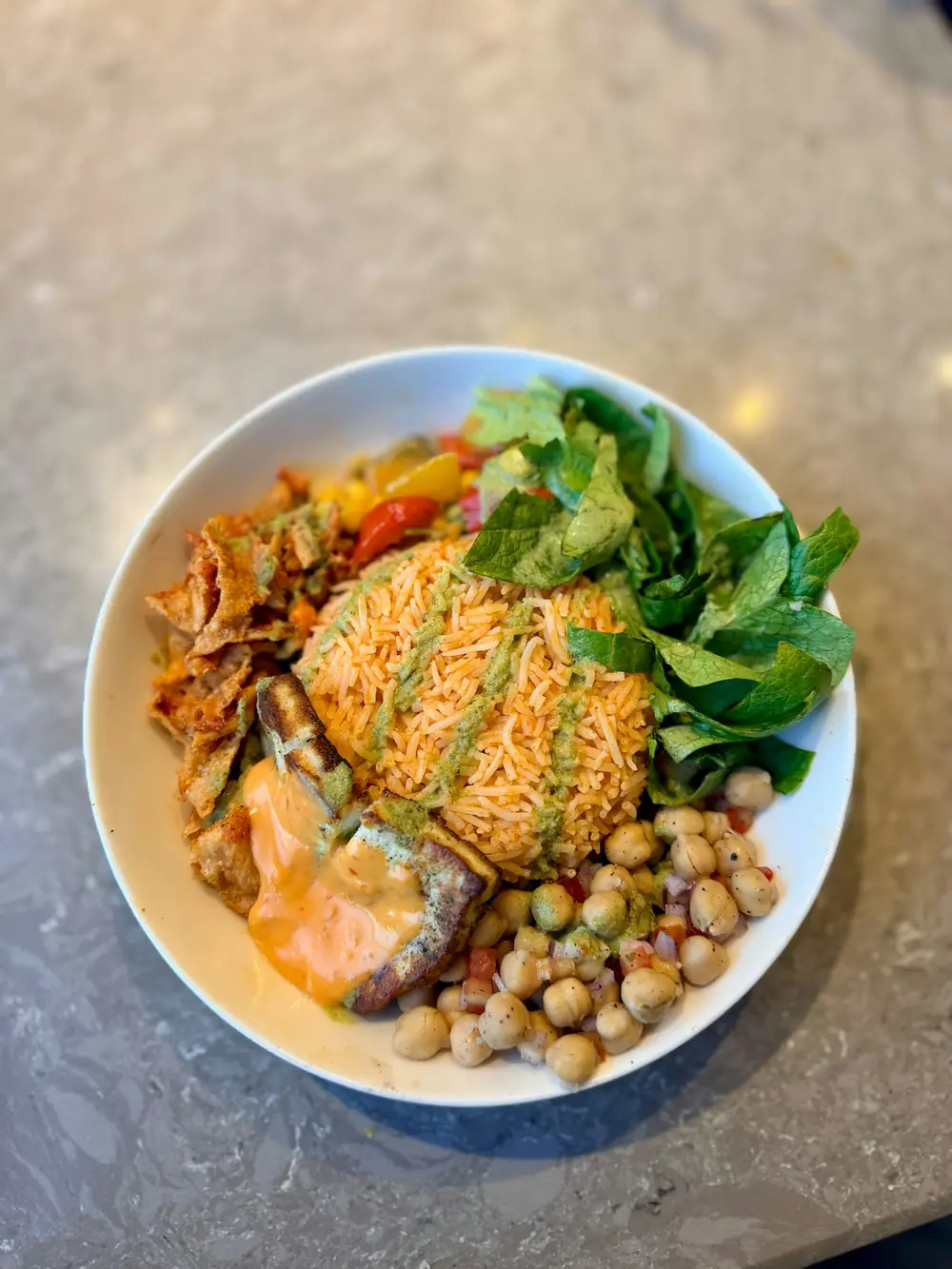
People tend to eat a fairly steady weight of food each day. Foods with low energy density, meaning few calories per gram, let you eat that same weight for fewer calories. Penn State researcher Barbara Rolls built the "volumetrics" approach on this idea, and it's one of the most practical tools for feeling full while losing weight.
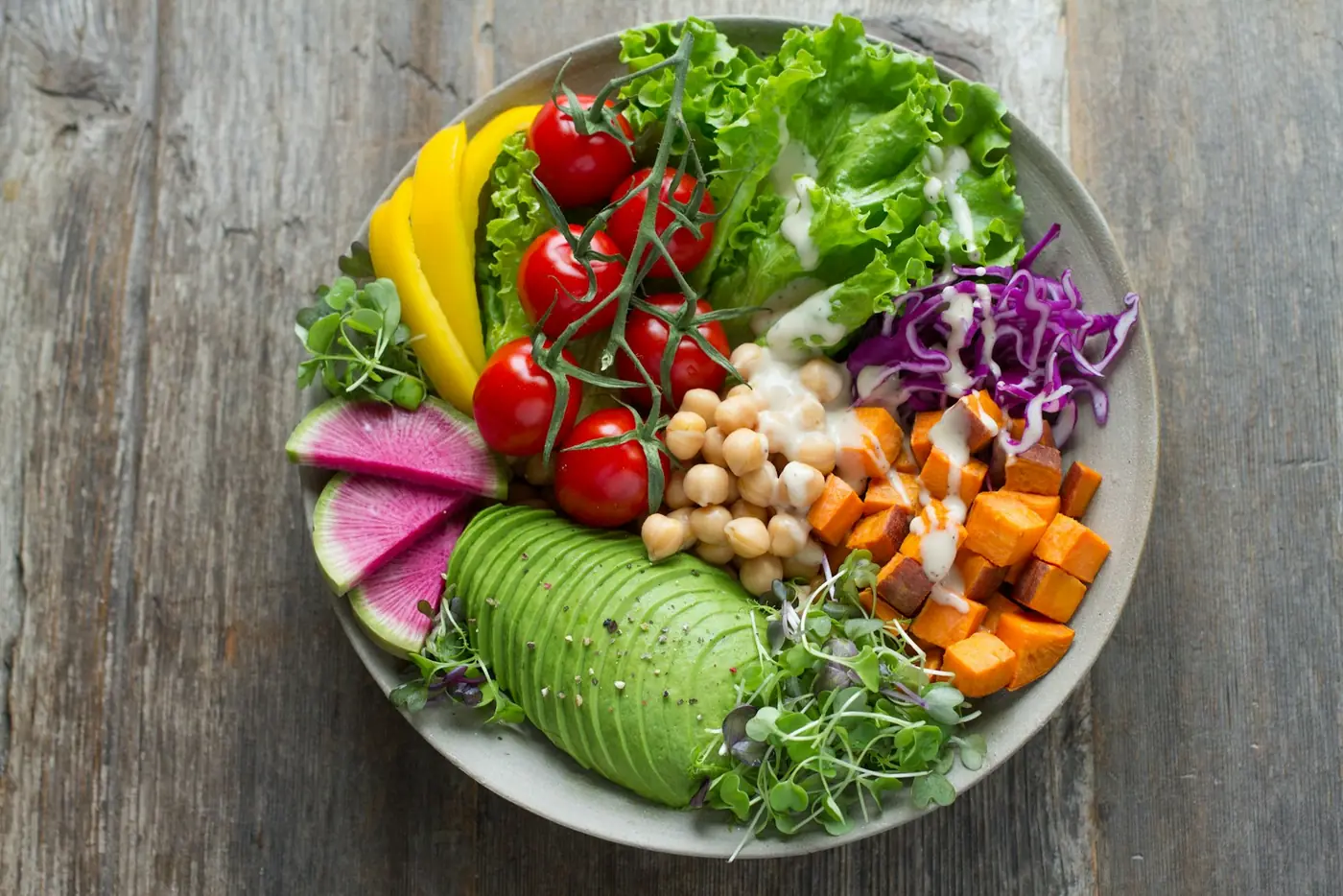
Energy density is easy to spot. Foods with lots of water and fiber, like vegetables, fruit, broth soups and lean proteins, are low. Foods with little water and lots of fat or sugar, like chips, cookies, nuts and oils, are high. You don't have to avoid the high ones. Just let the low ones take up more of the plate.
20 foods with the numbers
| Food | Serving | Approx. calories |
|---|---|---|
| Spinach, raw | 2 cups | 14 |
| Romaine lettuce | 2 cups | 16 |
| Cucumber, sliced | 1 cup | 16 |
| Celery | 1 cup | 14 |
| Zucchini, cooked | 1 cup | about 27 |
| Broccoli, cooked | 1 cup | 55 |
| Cauliflower, riced | 1 cup | about 25 |
| Bell pepper, sliced | 1 cup | about 25 to 30 |
| Cherry tomatoes | 1 cup | 27 |
| Mushrooms, raw | 1 cup | 15 |
| Green beans, cooked | 1 cup | 44 |
| Strawberries | 1 cup | about 50 |
| Watermelon | 1 cup | 46 |
| Cantaloupe | 1 cup | about 55 |
| Blueberries | 1 cup | about 85 |
| Air-popped popcorn | 3 cups | about 90 |
| Broth-based vegetable soup | 1 cup | about 70 to 100 |
| Egg whites | 1/2 cup | about 60 |
| Nonfat Greek yogurt | 1 cup | about 130 |
| Shirataki noodles | 1 cup | about 10 to 20 |
Values are approximate.
Easy ways to bulk up meals
- Half-and-half: mix rice with riced cauliflower, or pasta with zucchini noodles.
- Start with soup or salad: a broth-based soup or a big salad with light dressing before dinner can lead to eating less overall.
- Load sandwiches and wraps with lettuce, cucumber and peppers.
- Add vegetables to eggs, sauces and chili without much extra effort.
Common volume-eating mistakes
- Drowning the salad. A big salad is a great start, but 4 tablespoons of creamy dressing can add 250 to 300 calories. Measure 2 tablespoons, or use a light vinaigrette.
- Volume without protein. A plate of vegetables fills your stomach, but hunger often returns fast. Pair vegetables with a palm-sized portion of protein.
- Roasting with a heavy hand. Vegetables soak up oil. A tray of roasted broccoli with 3 tablespoons of oil adds about 360 calories. One tablespoon is usually enough.
- Jumping from low fiber to high fiber overnight. Going from a few vegetables a day to bowls of them can cause gas and bloating. Build up over a couple of weeks and drink more water.
Who should be a bit careful
If you have IBS, Crohn's disease or another gut condition, some high-fiber or raw vegetables may cause symptoms. Cooked vegetables and smaller portions often sit better, and a registered dietitian can help you find your best options.
High-volume eating should feel freeing, not strict. If counting, measuring or always choosing the "lowest calorie" option starts to feel stressful or all-consuming, that's worth talking about with a clinician you trust. Food is also for enjoyment and connection, and a balanced plan has room for both.
A sample high-volume day
Here's what a day built on volume can look like at roughly 1,600 calories, a level many people use while losing weight (your target may differ: find yours):
| Meal | What's on the plate | Approx. calories |
|---|---|---|
| Breakfast | Egg-white and spinach omelet with 1 whole egg, 1 cup strawberries, 1 slice whole-grain toast | about 300 |
| Lunch | Big salad: 3 cups greens, cucumber, tomatoes, peppers, 4 oz grilled chicken, 2 tbsp light vinaigrette | about 400 |
| Snack | 3 cups air-popped popcorn and a Greek yogurt cup | about 190 |
| Dinner | Vegetable soup, 4 oz salmon, 1 cup roasted broccoli, 1/2 cup rice mixed with riced cauliflower | about 550 |
| Dessert | 2 cups watermelon or berries | about 100 |
That's a lot of food on the plate, with protein at every meal. Watch the calorie-dense extras that can quietly undo a high-volume plan: oils, dressings, cheese, nuts and dried fruit. They're healthy in measured amounts, but a heavy hand can add several hundred calories without adding much volume.
The verdict, and a GLP-1 note
High-volume foods are one of the best tools for most people trying to lose weight. On a GLP-1 medicine, though, your stomach empties more slowly and fills fast, so very large salads can crowd out protein. In that case, eat protein first and treat volume foods as the side: eating on a GLP-1.
Run your numbers
Keep reading
Common questions
What foods fill you up but are low in calories?
Leafy greens, cucumbers, broccoli, berries, melon, broth-based soups and air-popped popcorn are among the best.
Do high-volume foods help weight loss?
Yes. Filling more of your plate with low-calorie, high-water foods helps many people eat fewer calories without feeling hungrier.
Can you eat unlimited vegetables on a diet?
Most non-starchy vegetables are so low in calories that it's hard to overdo them. Oils, dressings and cheese are what add up.