
Start with your numbers
Weight loss comes down to energy balance: eat a bit less than your body burns, and it uses stored energy to fill the gap. Your daily burn is called TDEE, and you can find yours in 20 seconds with the TDEE calculator.
Here's a worked example. A 40-year-old woman who is 5 ft 6 in and 200 lb burns about 1,594 calories at rest and about 2,192 calories on a lightly active day. Eating around 1,700 calories gives her a 500-calorie gap, which is roughly 1 lb a week at first. See the full table at TDEE for a 200 lb woman.
Four habits that do the work
- A modest deficit. 300 to 500 calories below your TDEE is sustainable for most people. Use the calorie deficit calculator for a target and a goal date.
- Protein at every meal. About 1.2 to 1.6 g per kg of body weight a day helps keep muscle while you lose fat. At 200 lb that's roughly 109 to 145 g. Try the protein floor calculator.
- Move most days. The national guidelines suggest at least 150 minutes of moderate activity a week plus 2 days of strength work. Walking counts: see how far 10,000 steps goes.
- Sleep 7 hours or more. Short sleep tends to raise appetite and lower willpower the next day.
Explainer · 0:21
Read the transcript
- Your body burns energy even at rest. That's your BMR: about 1,528 kcal a day for a 35-year-old woman who is 5 ft 6 in and 180 lb.
- Daily movement multiplies it. Light activity is × 1.375, so 1,528 becomes about 2,101 kcal. That's your TDEE.
- Eat about 500 kcal less than your TDEE and you're in a deficit: around 1,601 kcal a day.
- That's roughly 1 lb a week at first. Loss slows as your body adapts, so treat the number as a starting point and adjust.
What to eat, without a strict diet
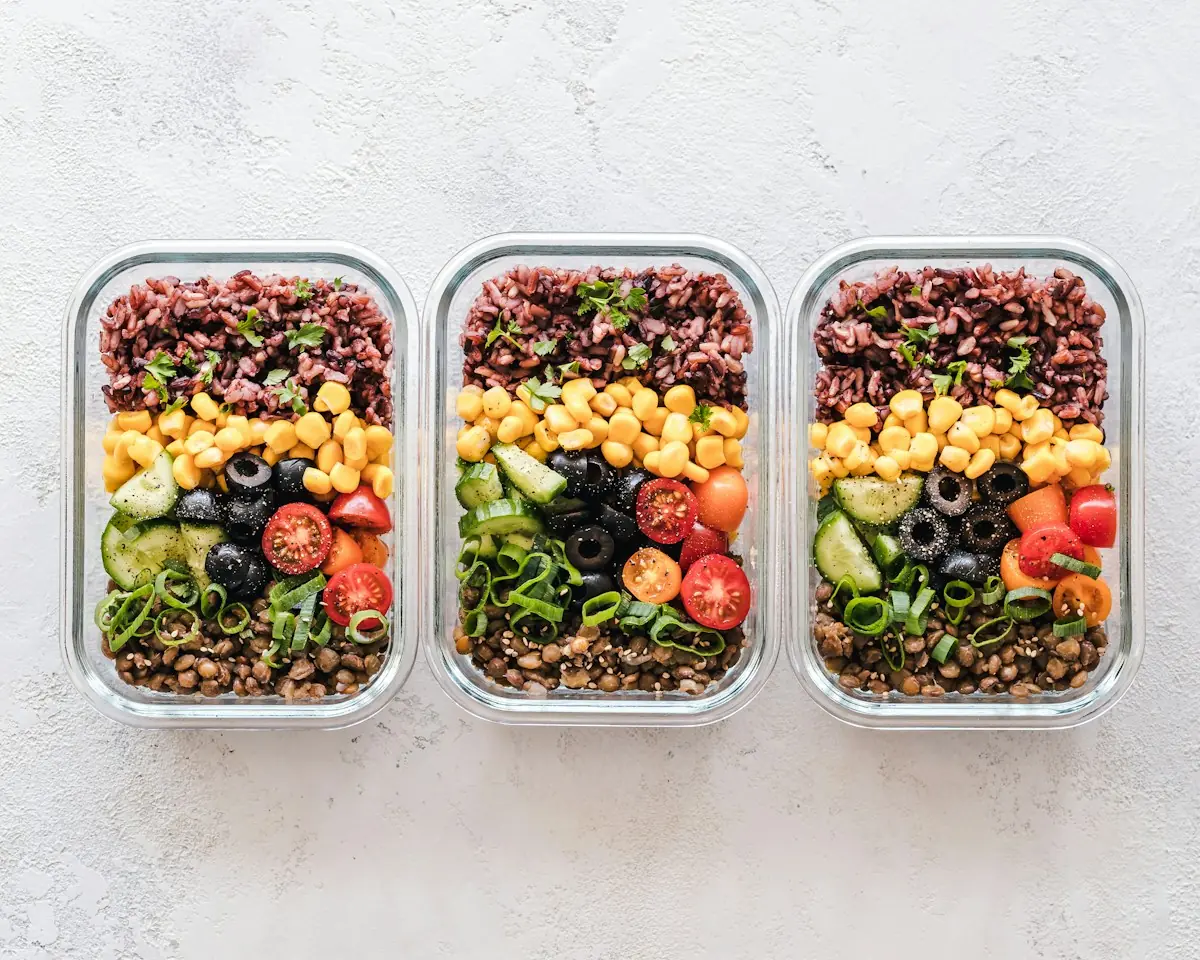
The best eating plan is the one you can keep. Most successful plans share a pattern: plenty of vegetables and fruit, a protein source at each meal, high-fiber carbs like beans and oats, and fewer sugary drinks and ultra-processed snacks.
Big, watery, fiber-rich foods fill you up for fewer calories. Our guide on what to eat to lose weight has simple swaps, and the macro calculator turns your calories into grams.
A sample day of eating
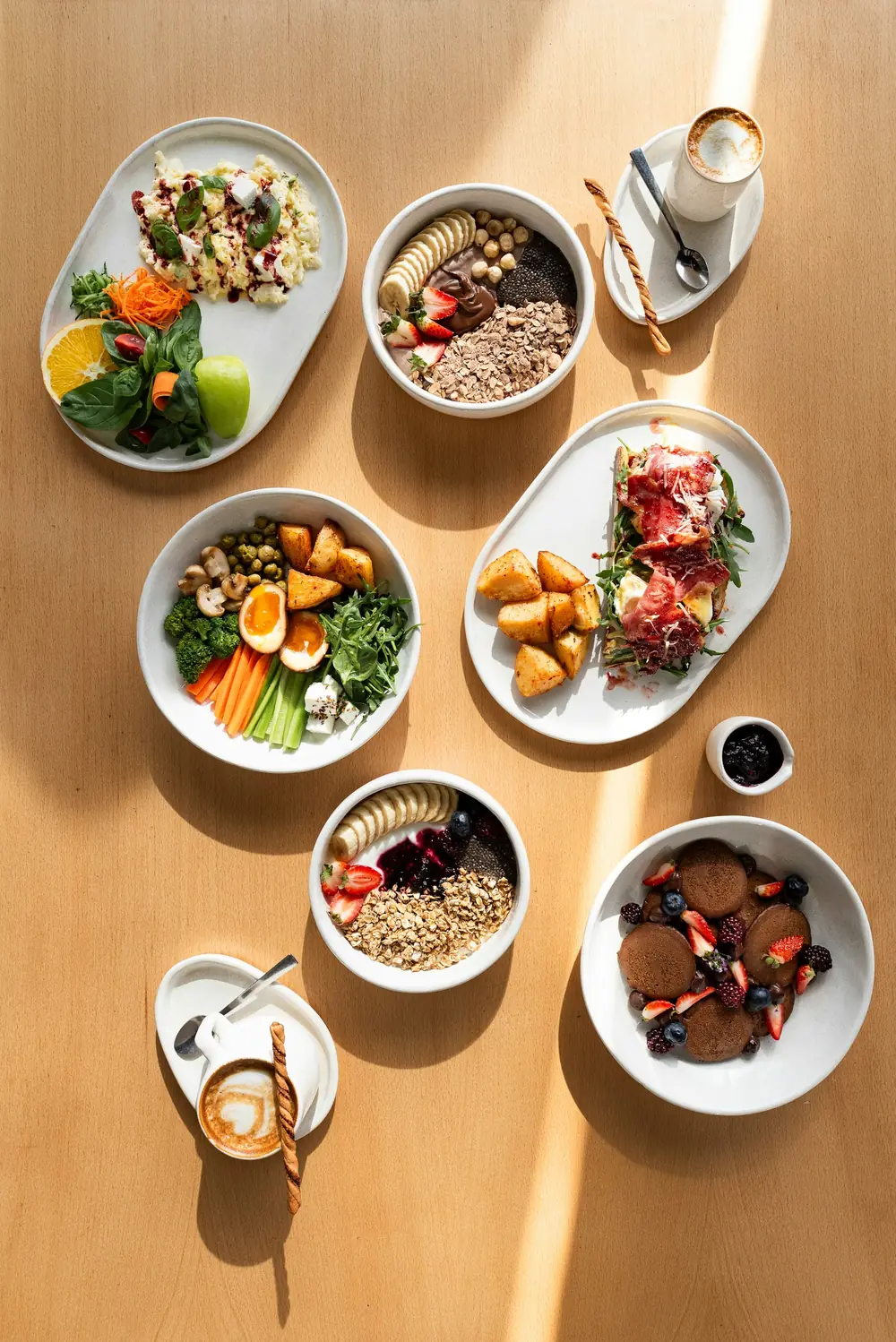
Here's what a day could look like for the 200 lb woman in our example. It isn't a meal plan to follow exactly, just a picture of how normal food fits a deficit.
- Breakfast: Greek yogurt with berries and a spoon of granola, plus a latte with low-fat milk (about 350 calories)
- Lunch: turkey sandwich on whole-grain bread with lettuce and tomato, and an apple (about 500)
- Snack: string cheese and an orange (about 150)
- Dinner: 5 oz chicken, roasted vegetables with a little olive oil, and 2/3 cup brown rice (about 550)
- Treat: a small square of dark chocolate (about 60)
That's roughly 1,600 to 1,700 calories and about 110 to 120 g of protein. If one day runs over, that's fine. The weekly average matters more than any single day. For the grams at this level, see the 1,700-calorie macro split.
Progress is a curvy line
The first week often brings a bigger drop, partly from water stored with carbohydrate. After that, 0.5 to 2 lb a week is a healthy pace, and the CDC notes that people who lose gradually are more likely to keep it off.
Weight also bounces 2 to 4 lb day to day from salt, hormones and timing. Weigh at the same time each week and watch the trend in the weigh-in tracker. Small wins count: losing 5% to 10% of your weight can improve blood pressure, blood sugar and cholesterol.
Common mistakes that stall progress
- Cutting too much, too soon. A huge deficit feels heroic for a week, then hunger wins. A modest gap lasts longer.
- Eating back exercise calories. Fitness trackers often overestimate how much you burn, so treat those numbers as a rough guide.
- All-or-nothing weekends. Two big days can erase five careful ones. Aim for "pretty good" every day.
- Forgetting drinks. Juice, sweet coffee drinks and alcohol add calories without filling you up.
- Never updating your number. You burn less as you lose. Recheck your TDEE every 10 lb or so.
If you spot yourself here, you're in good company. Pick one to fix this week, not all five.
When medicine is worth a conversation
For some bodies, habits alone aren't enough, and that isn't a personal failure. FDA labels for weight-management medicines like Zepbound and Wegovy apply to adults with a BMI of 30 or more, or 27 or more with a weight-related condition. Check yours with the BMI calculator and read who qualifies for a GLP-1.
If you'd like a professional opinion, we can help a licensed clinician in your state reach out to you.
Run your numbers
Keep reading

Common questions
What is the first step to lose weight?
Find your daily calorie burn (TDEE), then aim to eat about 300 to 500 calories less. Pair it with protein at each meal and daily movement.
How do I lose weight without dieting?
Focus on habits rather than rules: protein and vegetables at meals, fewer sugary drinks, more steps and better sleep. These shrink calories without counting every bite.
How much weight can I safely lose a week?
About 0.5 to 2 lb a week for most adults after the first week. Faster loss is usually water at first and is harder to keep off.
Do I need to exercise to lose weight?
You can lose weight with diet changes alone, but activity helps protect muscle, lifts mood and makes it easier to keep weight off.
When should I talk to a doctor about weight loss?
If you've tried for months without progress, have a weight-related condition, or your BMI is 30 or higher. A clinician can check for medical causes and discuss treatment.
Sources
Clinician review pending. Drafted from primary sources and waiting for sign-off by a licensed clinician (MD, DO or PharmD) before launch. Every number is checked against its source. Drug facts are re-checked quarterly, prices monthly and whenever a label changes. How we review · Report an error