
Quick has a speed limit
Losing weight quickly is possible in the first two weeks, mostly because of water. Fat loss runs on a slower clock: for most adults, a safe pace is 0.5 to 2 lb a week after the first week, and the CDC notes that people who lose gradually are more likely to keep it off.
This guide is a day-by-day quick start, built so the habits from the first two weeks keep working after them. For the bigger picture of what fast loss means and who should go slower, read how to lose weight fast.
What the scale measures in week one
Your body stores carbohydrate as glycogen, and glycogen holds water. When you eat fewer calories and fewer refined carbs, you use some of that store and the water leaves with it. You also carry less food and salt in your gut. Together these can drop the scale 2 to 4 lb in a week before much fat has gone.
That early drop is real, but it isn't the pace to expect afterward. If week two looks slow by comparison, the plan is working as it should. Follow the trend in the weigh-in tracker instead of single mornings.
Days 1 to 7: clear out the easy calories
- Day 1: find your daily burn with the TDEE calculator and set a target 500 to 750 calories below it.
- Day 2: drop sugary drinks and juice. Stick to water, sparkling water, tea and plain coffee.
- Day 3: put protein at each meal: eggs, Greek yogurt, chicken, fish, tofu or beans.
- Day 4: fill half of lunch and dinner with vegetables or salad.
- Day 5: take a 10-minute walk after each meal.
- Day 6: plan the weekend: one restaurant meal, chosen ahead.
- Day 7: weigh in, measure your waist and note what was hardest.
Each day adds one change and keeps the ones before it.
Days 8 to 14: build the base that lasts
- Add strength work. Two short sessions of squats, push-ups, rows and lunges help protect muscle while you lose. See strength training for beginners.
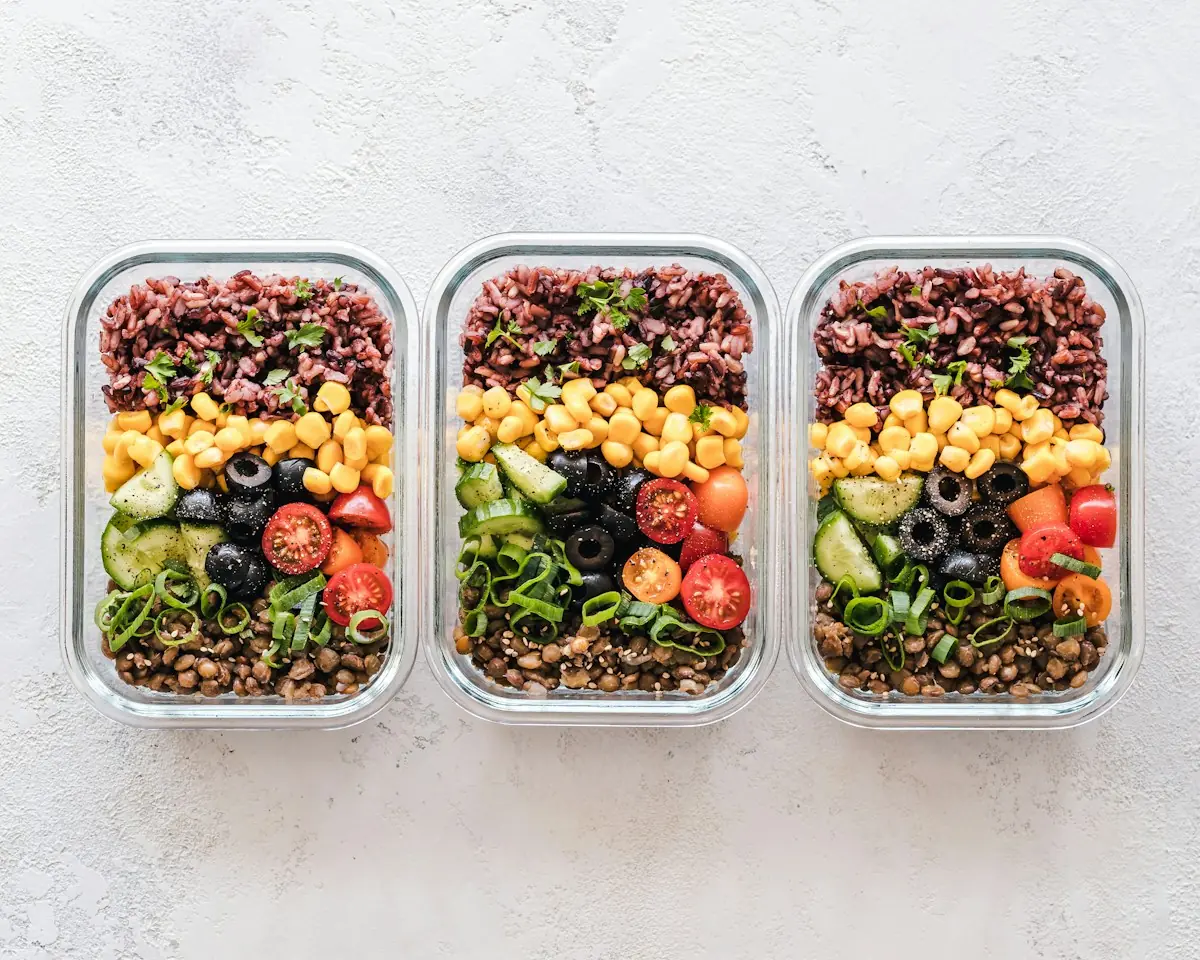
- Prep three lunches. Lunch is where many plans fall apart, and meal prep takes the decision away.
- Raise your steps. Add about 1,000 to 2,000 steps a day over your week-one average.
- Guard your sleep. Aim for 7 hours or more; short sleep tends to raise appetite.
- Hold the line on alcohol. Drinks add calories and loosen food decisions.
A 14-day example
Take a 35-year-old woman who is 5 ft 5 in and 185 lb. Her resting burn is about 1,535 calories, and on a lightly active day she burns about 2,111. Eating 1,450 to 1,550 calories gives her a gap of roughly 560 to 660 calories a day.
Over 14 days that's about 7,800 to 9,200 calories, or roughly 2.2 to 2.6 lb of fat by the common 3,500-calorie rule of thumb. Add 2 to 3 lb of water and her scale may show something like 4 to 6 lb. If it shows 3, she's still on track. Her waist measurement on day 14 is a useful second check, since it reflects fat loss more than water. For the grams at that level, see the 1,500-calorie macro split.
When quick turns into risky
- Eating fewer than 1,200 (women) or 1,500 (men) calories a day on your own
- Very low calorie diets of about 800 calories a day or less, which the NIDDK describes as plans used under a health professional's supervision
- Fasting for days, or using laxatives, diuretics or "detox" teas. See why laxatives don't burn fat
- Dizziness, fainting, a racing heartbeat, hair shedding or missed periods
Very rapid loss also raises the risk of gallstones, according to the NIDDK, which suggests a first goal of 5% to 10% of starting weight over about 6 months. If you're pregnant, breastfeeding, take insulin or have a history of an eating disorder, talk with your doctor before cutting calories.
When medicine is part of the plan
Prescription weight-management medicines can help people who meet label criteria, generally a BMI of 30 or more, or 27 or more with a weight-related condition. They aren't a quick fix: doses are raised over weeks to limit side effects such as nausea, and most of the effect builds over months. Learn more in who qualifies for a GLP-1, or ask a licensed clinician in your state to reach out.
Run your numbers
Keep reading


Common questions
How can I lose weight quickly in 2 weeks?
Cut sugary drinks, eat protein and vegetables at each meal, walk after meals and keep a 500 to 750 calorie daily gap. Expect a few pounds, with a good share of it water.
How much weight can I lose quickly and safely?
After the first week, about 0.5 to 2 lb a week for most adults. The first week can be larger because of water loss.
Is a very low calorie diet safe?
Diets of about 800 calories a day or less should only be done under medical supervision. They raise the risk of gallstones and other problems.
Why did my weight loss slow down after the first week?
The early drop includes water stored with carbohydrate. Once that settles, the scale mostly reflects fat loss, which is slower and steadier.
Sources
Clinician review pending. Drafted from primary sources and waiting for sign-off by a licensed clinician (MD, DO or PharmD) before launch. Every number is checked against its source. Drug facts are re-checked quarterly, prices monthly and whenever a label changes. How we review · Report an error