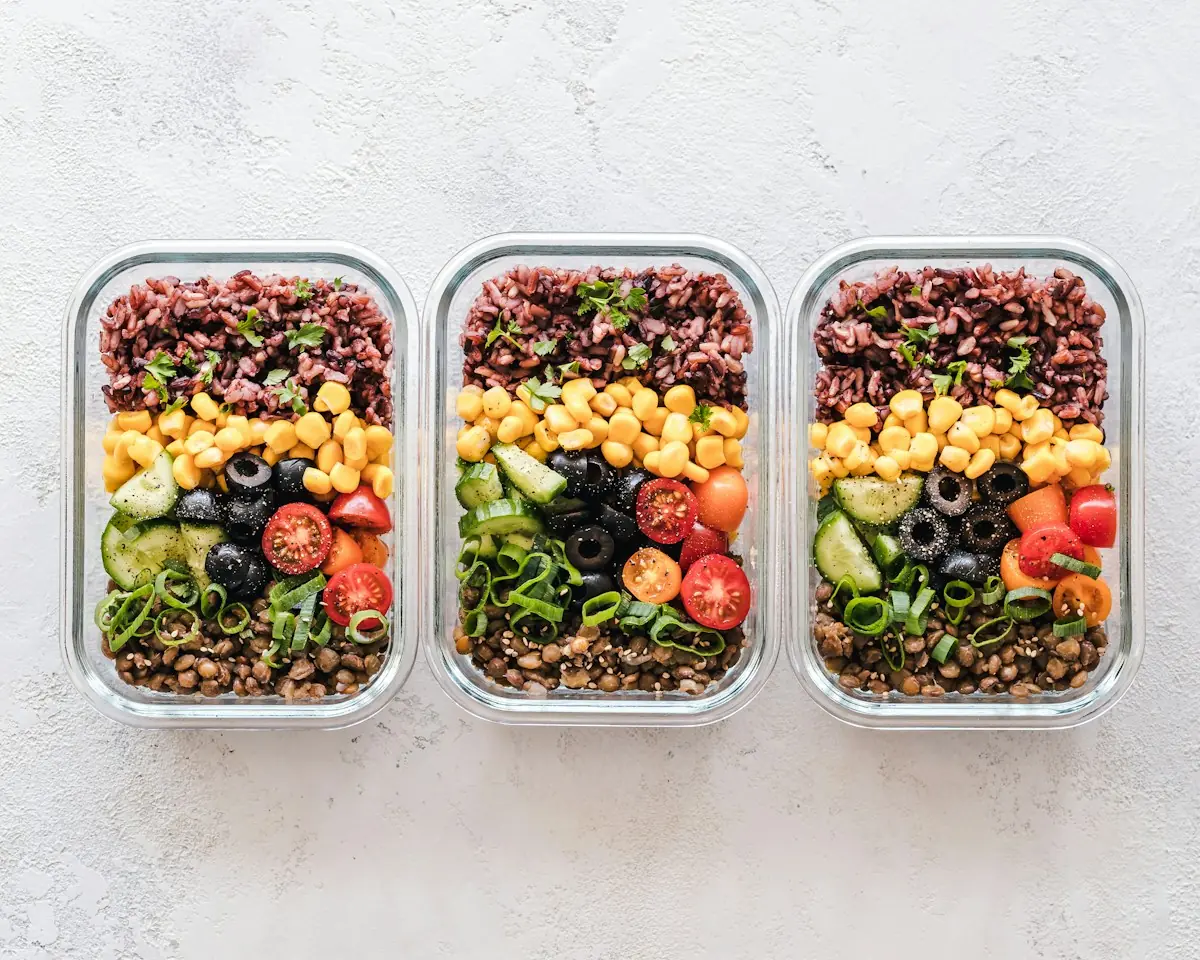
What fast actually means
The fastest way to lose weight safely is a solid calorie deficit, lots of protein and daily movement, aiming for 1 to 2 lb a week. Going faster usually means losing more muscle and water, feeling worse and regaining sooner.
Bigger bodies can lose faster at first because they burn more. A 250 lb man burns more energy than a 160 lb man doing the same day, so the same food cut makes a bigger gap. Find your number in the TDEE calculator.
Why the first week drops fastest
Your body stores carbohydrate as glycogen, and each gram holds roughly 3 to 4 grams of water. When you cut back on carbs and calories, you use some glycogen and that water leaves too. That's why week one can show 3 to 5 lb.
It isn't fake progress, but it isn't all fat either. After week one, expect a steadier 1 to 2 lb. Read more in how much weight you can lose in a week.
Here's a quick way to tell water from fat. If the scale drops fast but your waist hasn't changed, it's mostly water. If your waist shrinks steadily over 3 to 4 weeks, that's fat loss. Both are fine; just don't judge your plan on week one alone.
Explainer · 0:21
Read the transcript
- Your body burns energy even at rest. That's your BMR: about 1,528 kcal a day for a 35-year-old woman who is 5 ft 6 in and 180 lb.
- Daily movement multiplies it. Light activity is × 1.375, so 1,528 becomes about 2,101 kcal. That's your TDEE.
- Eat about 500 kcal less than your TDEE and you're in a deficit: around 1,601 kcal a day.
- That's roughly 1 lb a week at first. Loss slows as your body adapts, so treat the number as a starting point and adjust.
Your fast-but-safe plan
- Set a 500 to 1,000 calorie gap. Use the calorie deficit calculator. It won't let you go under the 1,200 or 1,500 calorie floors.
- Lead with protein. Fill a quarter to a third of your plate with protein. It's the most filling nutrient and protects muscle. See high-protein snacks.
- Drink water, not calories. Swapping one 20 oz soda a day saves about 240 calories.
- Walk after meals. A 10-minute walk after each meal adds up to 30 minutes a day.
- Lift 2 to 3 times a week. Strength work tells your body to keep muscle while you diet.
- Sleep 7+ hours. Tired brains crave quick energy.
A worked example of fast loss
Here's how the numbers play out for two different people, both 40 and lightly active.
| Person | Daily burn | Eating | Likely month one |
|---|---|---|---|
| Man, 5 ft 10 in, 250 lb | About 2,819 | About 1,850 | About 9 to 12 lb, including water |
| Woman, 5 ft 4 in, 170 lb | About 1,961 | About 1,300 | About 6 to 8 lb, including water |
The woman can't safely go faster, because a bigger cut would push her under 1,200 calories. That isn't a failure. Her pace is fast for her body. Run your own numbers in the calorie deficit calculator, or see a goal-based plan like losing 20 lb.
Crash-diet red flags
- Fewer than 1,200 (women) or 1,500 (men) calories a day without a doctor involved
- Juice-only, laxative or "detox" plans: water loss, not fat loss. See why laxatives don't burn fat
- Promises of 10+ lb a week
- Dizziness, hair shedding, missed periods or feeling cold all the time
Very rapid loss also raises the risk of gallstones, according to the NIDDK. If you need to lose weight quickly for a medical reason, do it with a clinician.
Who should go slower
A faster pace isn't right for everyone. Talk with your doctor before a big calorie cut if any of these apply:
- You're pregnant, breastfeeding or planning a pregnancy
- You take insulin or other diabetes medicines that can cause low blood sugar
- You've had gallstones, kidney disease or heart problems
- You have a history of an eating disorder
- You're over 65, when keeping muscle matters even more
- You're under 18 and still growing
For these groups, a slower pace with support is usually safer, and it often works just as well in the long run.
If you're not sure whether you fit one of these groups, a short visit to your doctor before you start is always a good idea.
When faster help is medical
Prescription weight-management medicines produced larger average losses in trials than lifestyle changes alone. In SURMOUNT-1, people on the highest dose of tirzepatide lost about 20.9% of body weight over 72 weeks. That's still months, not days, and it's for people who meet the label criteria. Compare options in Zepbound vs Wegovy, or ask a licensed clinician in your state to reach out.
These medicines have side effects, most often nausea, diarrhea and constipation, and they aren't right for everyone. Your prescriber will weigh your health history. To understand costs before you ask, see the GLP-1 cost index.
Run your numbers
Keep reading


Common questions
What is the fastest way to lose weight?
A steady calorie deficit of 500 to 1,000 calories a day, high protein, daily walking and strength training. That gives about 1 to 2 lb a week of mostly fat after the first week.
How can I lose weight fast in a week?
You can drop a few pounds, mostly water, by cutting sugary drinks, eating more protein and vegetables, and walking more. Real fat loss in one week is usually 1 to 2 lb.
Is losing weight fast bad for you?
Very fast loss from extreme dieting can cost muscle, raise gallstone risk and lead to regain. A pace of 1 to 2 lb a week is considered safe for most adults.
Why did I lose so much weight the first week?
Mostly water. Glycogen, your stored carbohydrate, holds water, and you use some of it when you eat less.
Sources
Clinician review pending. Drafted from primary sources and waiting for sign-off by a licensed clinician (MD, DO or PharmD) before launch. Every number is checked against its source. Drug facts are re-checked quarterly, prices monthly and whenever a label changes. How we review · Report an error