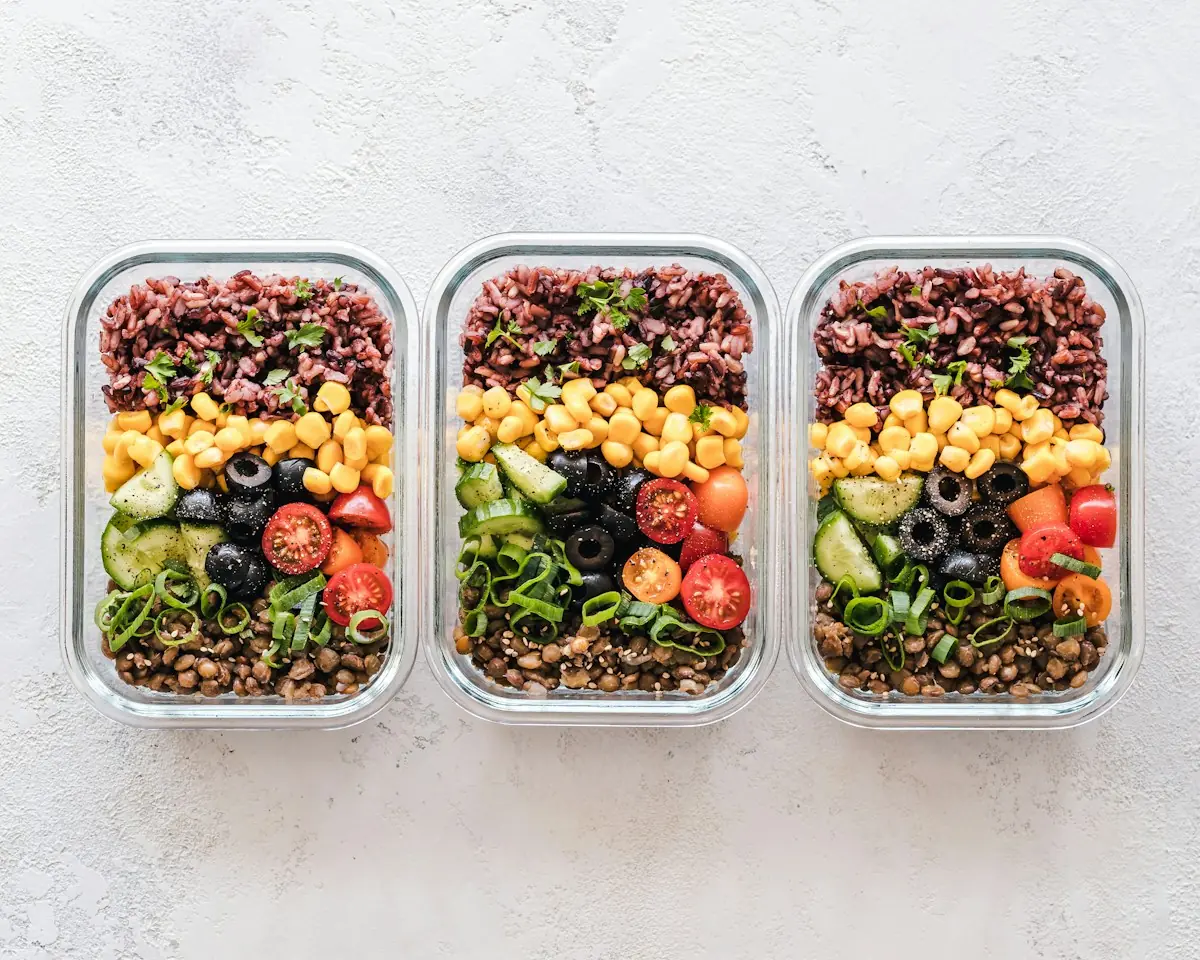
What 30 days can realistically do
For many people, a steady month brings about 4 to 8 lb on the scale. The first week often drops 2 to 4 lb, a good part of it water stored with carbohydrate. After that, fat loss settles at about 0.5 to 2 lb a week for most adults.
Where you land depends on your starting weight, your calorie gap and how consistent the month is. A person starting at 250 lb will usually lose faster than someone starting at 150 lb on the same plan, simply because a bigger body burns more. If you're wondering whether a bigger goal fits you, see how to lose 10 pounds in a month.
Two worked examples
| Person | Lightly active burn | Eating | Likely 30 days |
|---|---|---|---|
| Woman, 45, 5 ft 5 in, 190 lb | About 2,073 | About 1,500 | About 5 to 7 lb |
| Man, 40, 5 ft 10 in, 220 lb | About 2,632 | About 1,950 | About 6 to 9 lb |
Both estimates include some early water, and both people stay well above the 1,200 and 1,500 calorie floors. The woman's gap is about 570 calories a day and the man's about 680. Check your own with the TDEE calculator, then set a target in the calorie deficit calculator.
A sample day near 1,500 calories
Here's how the 190 lb woman from the table might eat on a typical day. It's a picture of how normal food fits, not a plan you have to follow.
- Breakfast: 2 eggs scrambled with spinach, 1 slice whole-grain toast and a cup of berries (about 320)
- Lunch: big salad with 4 oz grilled chicken, half a cup of chickpeas, vegetables and 2 tablespoons of vinaigrette (about 470)
- Snack: nonfat Greek yogurt and an apple (about 200)
- Dinner: 5 oz salmon, roasted broccoli with a teaspoon of oil and half a cup of brown rice (about 490)
That's roughly 1,480 calories and about 110 g of protein. For the full grams, see the 1,500-calorie macro split.
Week 1: set up and simplify
- Set your calorie target and pick 3 go-to breakfasts and lunches
- Replace sugary drinks with water, tea or coffee without syrup
- Walk 20 minutes a day; it doesn't have to be all at once
- Weigh in 2 to 4 times this week at the same time of day
Expect the biggest drop on the scale this week. Don't use it to set your expectations for the rest of the month.
Week 2: protein and plates
- Aim for protein at each meal, roughly 1.2 to 1.6 g per kg of body weight a day. The protein calculator gives your range
- Fill half your plate with vegetables at lunch and dinner
- Keep 2 or 3 high-protein snacks on hand for hungry afternoons
- Add 2 short strength sessions
For the 190 lb woman above, the protein range works out to about 103 to 138 g a day.
Week 3: move more and plan the hard parts
- Raise daily steps by about 1,000 to 2,000 over your week-one average
- Prep lunches twice a week
- Plan the weekend: one meal out, chosen ahead
- Go to bed 30 minutes earlier if you're short on sleep
Week three is when the scale often slows and motivation dips. That's normal. Look at your weekly average, not single days, in the weigh-in tracker.
Week 4 and the last two days: lock it in
- Keep the same target; don't cut harder to hit a number
- Measure your waist and compare it with day 1
- Write down the 3 habits that helped most and plan to keep them
- Recheck your daily burn once you've lost about 10 lb, because it falls as you lose
Month two is usually a little slower than month one, since the water loss is behind you. That's expected, not a stall.
What to avoid
Thirty-day challenges that cut calories very low, rely on juice, or stack daily workouts you've never done before are hard to keep and can leave you tired and sore. Diets of about 800 calories or less need medical supervision, and rapid loss raises gallstone risk, according to the NIDDK. Skip laxative teas and water pills too, which only remove water.
If you have diabetes, take medicines for blood pressure or blood sugar, or are pregnant or breastfeeding, check with your doctor before cutting calories. A licensed clinician in your state can also reach out if you'd like a professional opinion.
Run your numbers
Keep reading

Common questions
How much weight can you lose in 30 days?
Many people lose about 4 to 8 lb, including some water in the first week. People with higher starting weights may lose more.
Can I lose 10 pounds in 30 days?
Some people can, especially with a higher starting weight. It takes a daily gap of roughly 750 to 1,000 calories and isn't realistic or needed for everyone.
Why does weight loss slow after the first week?
The first week includes water released with stored carbohydrate. After that, the scale mostly reflects fat loss, which is slower.
What should I eat to lose weight in 30 days?
Protein at each meal, plenty of vegetables and fruit, high-fiber carbs and fewer sugary drinks and snacks, within your calorie target.
Sources
Clinician review pending. Drafted from primary sources and waiting for sign-off by a licensed clinician (MD, DO or PharmD) before launch. Every number is checked against its source. Drug facts are re-checked quarterly, prices monthly and whenever a label changes. How we review · Report an error