What a week can do
To lose weight in a week, eat about 500 to 1,000 calories less than you burn, prioritize protein and vegetables, cut salty and sugary extras, and walk every day. Most people see 2 to 5 lb on the scale, with 1 to 2 lb of that from fat and the rest from water.
Start with your number: the TDEE calculator takes 20 seconds.
One week is also a good test run. It shows you which habits feel easy and which feel hard, so you can build next month's plan around what actually works for you.
Your 7-day plan
| Day | Focus |
|---|---|
| 1 | Weigh in, set a calorie target, clear sugary drinks from the fridge |
| 2 | Protein at every meal; 20-minute walk |
| 3 | Half the plate vegetables at lunch and dinner |
| 4 | Strength session: squats, push-ups, rows, 20 minutes |
| 5 | Cook at home; go easy on salt |
| 6 | Long walk, 45 to 60 minutes, with a friend or a podcast |
| 7 | Second strength session; early night |
| 8 | Weigh in at the same time as day 1 and celebrate |
The habits stack: by day 7 you're doing all of them at once, and that's the point. If a day goes sideways, skip it and pick up the next day's habit. There's no need to start over.
Simple meals for the week
- Breakfast: Greek yogurt with berries, or eggs with vegetables
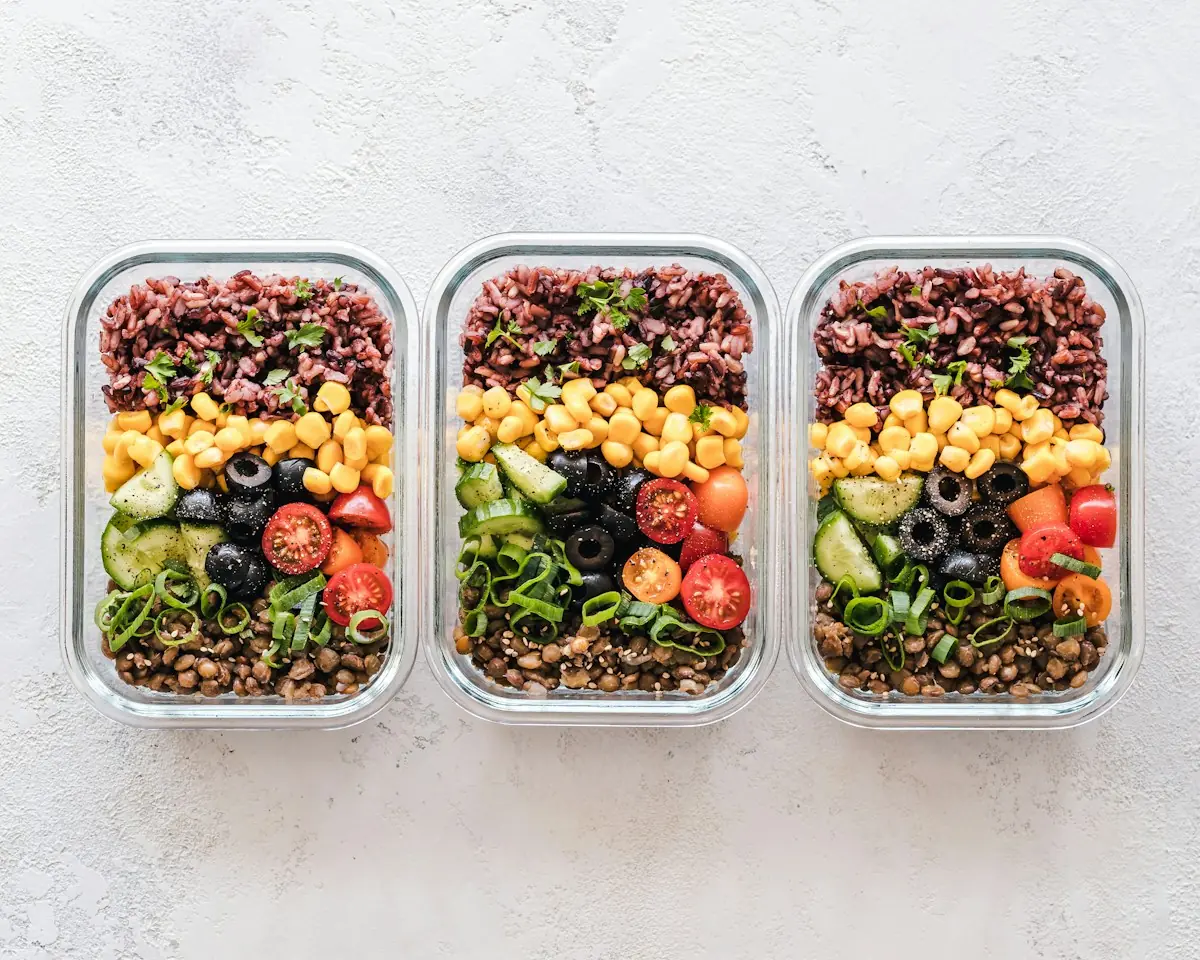
- Lunch: a big salad or grain bowl with chicken, tofu or beans
- Dinner: fish or lean meat, two vegetables, a small portion of potatoes or rice
- Snacks: fruit, cottage cheese, edamame. See high-protein snacks
For grams, use the macro calculator.
Repeating meals is fine and makes the week simpler. Choose 2 breakfasts and 2 lunches you like and rotate them.
Make it work on a busy week
- Sunday prep, 45 minutes: cook a tray of chicken or tofu, a pot of rice or potatoes, and chop vegetables.
- Grab-and-go breakfasts: yogurt cups, hard-boiled eggs, overnight oats.
- Default lunch: the same easy bowl most days is fine. Fewer decisions means fewer slips.
- Movement in pieces: three 10-minute walks count toward your weekly activity just like one 30-minute walk.
- A backup dinner: frozen vegetables, eggs and whole-grain toast, ready in 10 minutes.
For more ideas, see meal prep for weight loss. A busy week done "pretty well" beats a perfect plan you can't follow.
What to avoid
- Juice cleanses, laxatives and detox teas: water, not fat
- Skipping meals until you're starving at night
- Fewer than 1,200 (women) or 1,500 (men) calories a day without supervision
- Weighing every hour; daily swings of 2 to 4 lb are normal
Also skip the urge to "make up" for a big meal with a day of not eating. It usually leads to more hunger and a bigger meal later. Just go back to your normal plan at the next meal.
Who should check with a doctor first
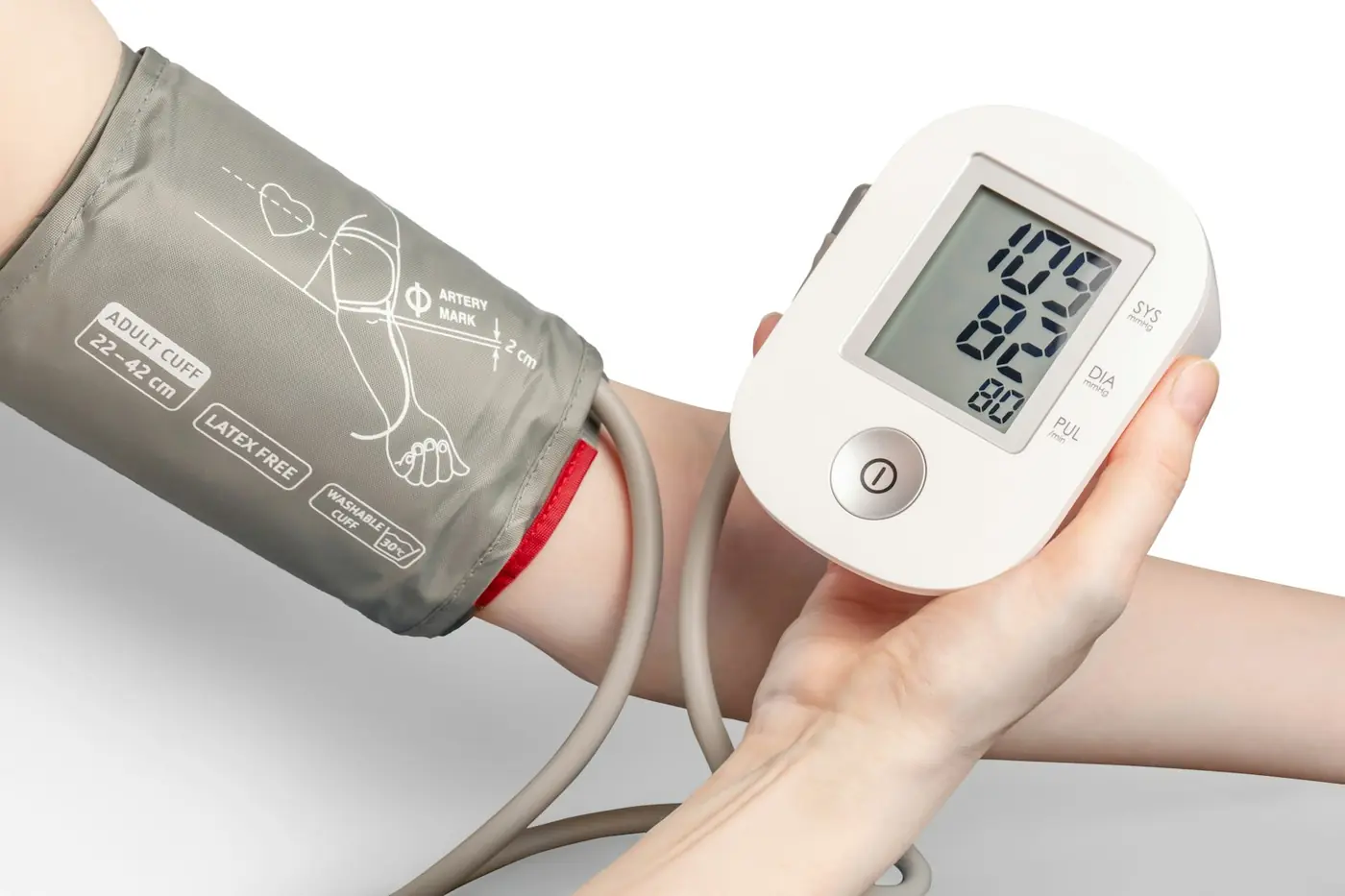
A 7-day plan like this is safe for most healthy adults. Check with your doctor first if you take medicines for diabetes or blood pressure, are pregnant or breastfeeding, have kidney or heart disease, or have a history of disordered eating.
Your doctor can tell you whether a calorie cut or more exercise needs any changes for you. If you're new to strength work, start light and see strength training for beginners.
It usually takes just one short visit.
Then keep going
The best thing about a good week is week two. Keep the habits that felt easy, and expect a calmer 1 to 2 lb. Read losing weight in 2 weeks or how to start losing weight for the next steps.
A good rule for week two: keep the three habits that felt easiest, and add just one new one. Stacking habits slowly is how a single good week turns into a good month, and a good month turns into lasting change.
Celebrate the week, whatever the scale says, because the habits are the biggest win.
Weigh in fairly on day 8
To see a fair result after one week:
- Weigh first thing in the morning, after the bathroom, before eating or drinking.
- Use the same scale on the same hard floor.
- Wear the same clothes, or none.
- Avoid a salty restaurant meal or alcohol the night before.
If day 8 shows less than you hoped, check your waist and how you feel. Less bloating, better sleep and more energy are real progress too. Read about non-scale victories.
Run your numbers
Keep reading


Common questions
How much weight can I lose in a week?
Usually 2 to 5 lb on the scale in the first week, with 1 to 2 lb from fat and the rest water.
What is the fastest way to lose weight in a week?
A 500 to 1,000 calorie deficit, protein at each meal, low salt and sugar, and daily walking. Crash diets mostly drop water.
Can I lose belly fat in a week?
You can't target belly fat, but a week of good habits starts overall fat loss and often reduces bloating.
Should I exercise every day to lose weight in a week?
Daily walking plus 2 strength sessions is plenty. Rest helps you stick with it.