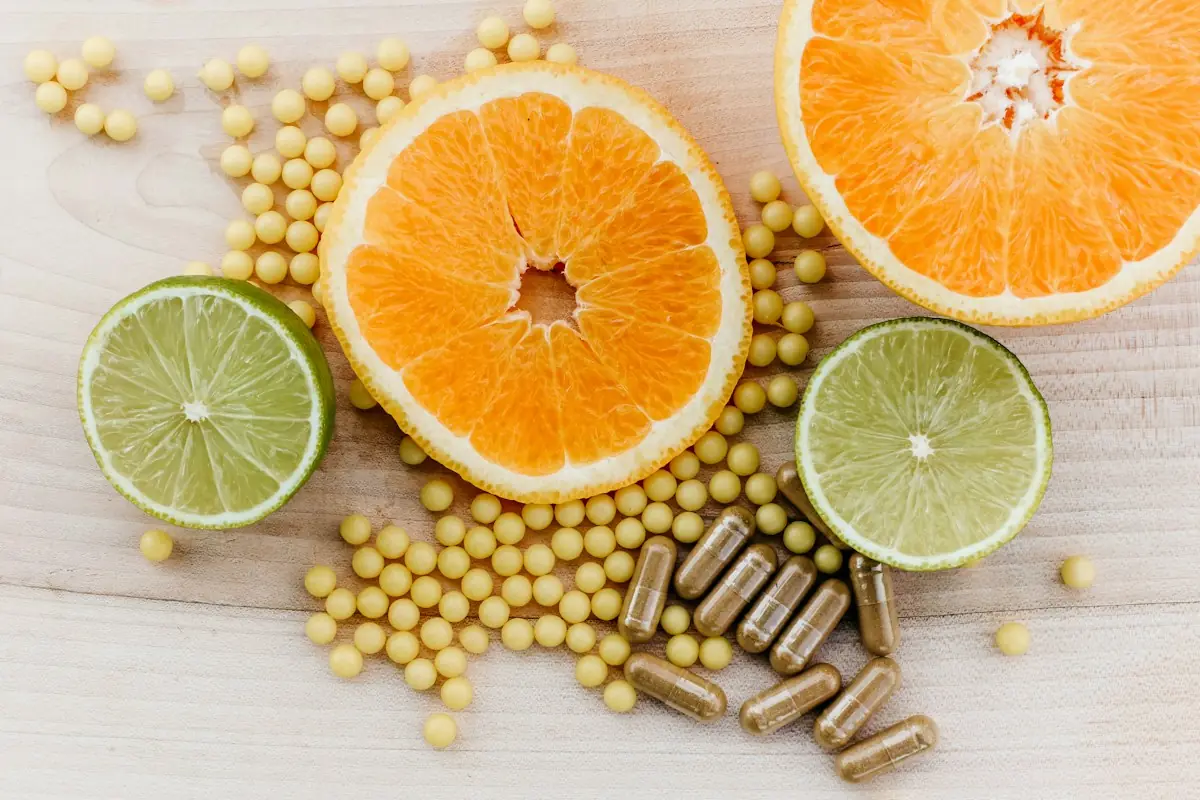
Why this is such a tricky aisle
Short answer: a few supplements may help a little, but none comes close to what a steady calorie deficit or an FDA-approved medicine can do. Most bottles in the weight-loss aisle have little or no good human evidence behind them.
Dietary supplements are regulated more like food than medicine. Makers don't have to prove a product works, or that it's safe, before selling it. The FDA steps in after problems show up.
That gap matters for weight loss in particular. The FDA has found hidden prescription drugs and banned ingredients in hundreds of products marketed for weight loss, often sold online.
What the research says
The NIH Office of Dietary Supplements reviewed the common weight-loss ingredients. Most have little good evidence, and the ones that show anything show small effects in short studies.
| Ingredient | Evidence for weight loss | Main caution |
|---|---|---|
| Green tea extract | Small effect at best | Rare liver injury with extracts |
| Caffeine | Small, short-term | Jitters, sleep, heart rate |
| Glucomannan (fiber) | Mixed | Choking risk without water |
| Berberine | Small, short trials | Drug interactions |
| Garcinia cambogia | Little to none | Liver injury reports |
| Raspberry ketones | No good human data | Unknown |
Deep dives: berberine, green tea, ashwagandha and creatine.
A realistic look at the numbers
Say a supplement helps you lose 2 extra pounds over 12 weeks. That's generous for most of the ingredients above.
Now compare a daily deficit of about 500 calories. As a rough rule, that adds up to around 1 pound a week, or roughly 12 pounds over the same 12 weeks. Real results vary, because your body adapts and water weight bounces around, but the habit still does far more of the work.
In trials of FDA-approved GLP-1 medicines, average losses were about 15% to 21% of body weight over roughly a year and a half. For someone at 200 pounds, that's about 30 to 42 pounds. If you want to see what a healthy pace looks like for you, read how fast is healthy weight loss.
The one approved nonprescription option
Orlistat at a lower strength is sold over the counter and is FDA-approved for weight loss in adults with overweight, when used with a reduced-calorie, low-fat diet. It's a medicine, not a supplement. It works by blocking some of the fat you eat from being absorbed.
Its added effect in trials was modest. The common side effects are gas with oily spotting and urgent bowel movements, which get worse after high-fat meals. The label also advises a daily multivitamin, because it can lower absorption of some vitamins. Ask your pharmacist first if you take blood thinners, thyroid medicine or cyclosporine. More options: what can I take to lose weight.
What about vitamins
Vitamins don't burn fat. If you're low in something, like vitamin D, iron or B12, fixing it can help energy and how you feel, which can make healthy habits easier. If your levels are normal, extra doses won't change your weight.
A basic multivitamin can make sense when you're eating much less, for example on a GLP-1 medicine. Ask your clinician whether blood tests make sense before you start high doses of anything. More: does B12 help with weight loss.
How to shop more safely
- Be wary of products promising fast or effortless loss, or claiming to work like a prescription drug.
- Look for third-party testing seals (such as USP or NSF), which check that what's on the label is in the bottle.
- Check the FDA's tainted products list before buying anything sold mainly online.
- Be cautious with a "proprietary blend", which can hide how much of each ingredient you're getting.
- Skip anything sold as "herbal Ozempic" or "GLP-1 support". No supplement contains an approved GLP-1 medicine.
- Tell your clinician and pharmacist what you take. Supplements can interact with medicines.
Better bets
The habits with the strongest evidence aren't flashy, but they work and they stack:
- A modest calorie deficit you can live with: find yours.
- Protein at every meal to protect muscle: your protein floor.
- More daily movement, starting with steps: the best exercise for weight loss.
- Sleep and stress care, which make every other habit easier.
- If you have obesity or a weight-related condition, FDA-approved medicines have real trial data: see how they compare.
When to call your doctor
- You notice a racing heart, chest pain or severe headaches after starting a product.
- Your skin or eyes turn yellow, or your urine turns dark, which can signal liver injury.
- You take prescription medicines and want to add any supplement.
Run your numbers
Keep reading



Common questions
What is the most effective weight-loss supplement?
None has strong evidence. The best-studied ingredients show small effects, often a pound or two over placebo in short trials.
Are weight-loss supplements FDA-approved?
No. The FDA doesn't approve dietary supplements before sale. It can act against unsafe products after they're on the market.
Which vitamins help with weight loss?
Vitamins only help if you're deficient. Correcting a low level can improve energy, but extra vitamins won't cause weight loss on their own.
Can supplements be dangerous?
Yes. Some products contain hidden prescription drugs, and some ingredients have been linked to liver injury. Check with your pharmacist first.
Is there a weight-loss pill you can buy without a prescription?
Lower-strength orlistat is FDA-approved for over-the-counter use in adults with overweight, alongside a reduced-calorie, low-fat diet. Its effect is modest, and stomach side effects are common.
Sources
Clinician review pending. Drafted from primary sources and waiting for sign-off by a licensed clinician (MD, DO or PharmD) before launch. Every number is checked against its source. Drug facts are re-checked quarterly, prices monthly and whenever a label changes. How we review · Report an error