Where the nickname came from
Short answer: berberine may help weight a little, often a few pounds in small trials, but it isn't close to a GLP-1 medicine. Its clearest effect is a modest drop in blood sugar.
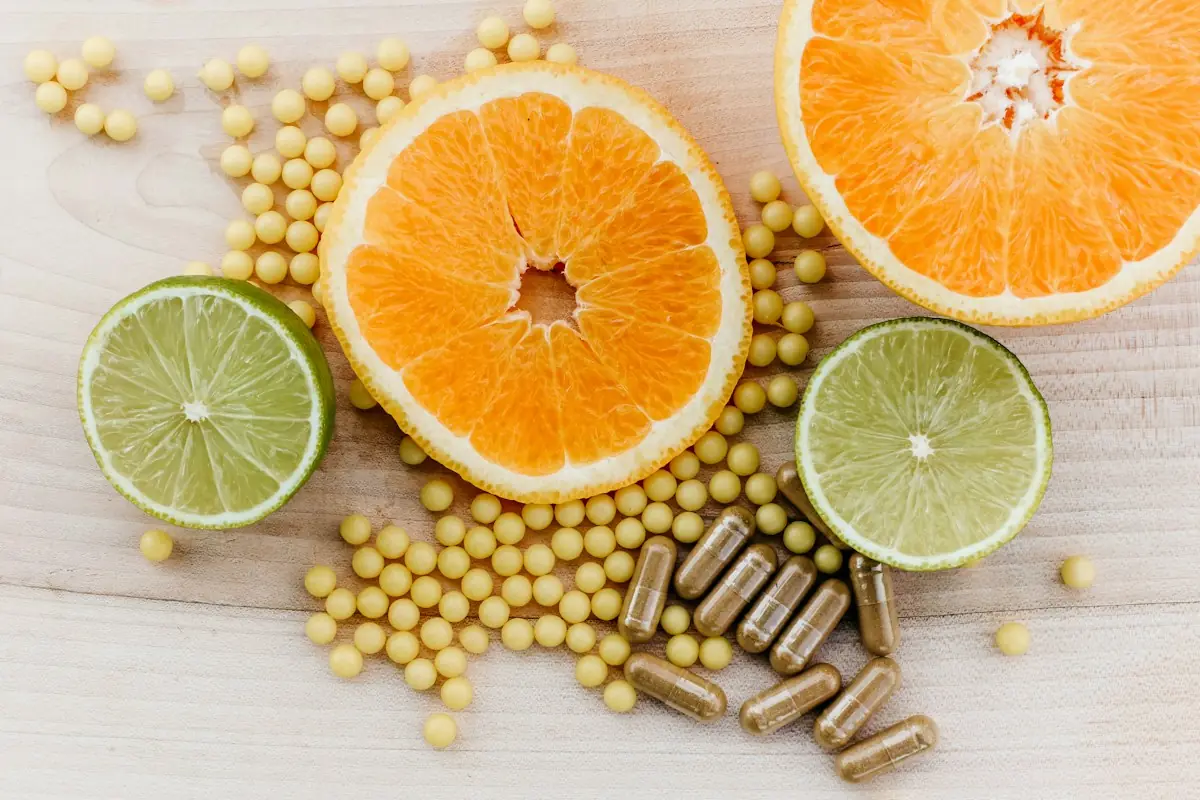
Berberine is a plant compound found in goldenseal, barberry and other herbs. Social media started calling it nature's Ozempic because it can lower blood sugar a bit, and people hoped that meant big weight loss too.
It's an understandable hope. GLP-1 medicines are expensive and hard to get covered. But the comparison doesn't hold up in the data.
What the research says
Most berberine studies are small, short and done in people with type 2 diabetes or metabolic syndrome. Pooled analyses suggest modest drops in weight, waist size and blood sugar, often a few pounds on average, with study quality ranging widely.
Most trials lasted only a few months, and many were run in a single country with products that aren't the same as what's sold in US stores. That means we know little about long-term safety, or whether any early loss lasts.
| Berberine | GLP-1 medicines | |
|---|---|---|
| Typical result in trials | A few pounds, short studies | 15% to 21% of body weight (Wegovy and Zepbound trials) |
| How it works | Acts on cell energy pathways (AMPK) | Mimics gut hormones that reduce appetite |
| FDA review | None (supplement) | FDA-approved for weight management |
See the real numbers in Zepbound vs Wegovy.
A worked example with numbers
Picture someone who weighs 200 pounds. If berberine helped them lose 4 pounds, that's 2% of their body weight.
In the main Wegovy trial, the average loss was about 15%, or roughly 30 pounds at that starting weight. In the main Zepbound trial, people on the highest dose lost about 21% on average, roughly 42 pounds. Those trials also ran much longer and used FDA-reviewed doses.
None of this means a few pounds don't count. Small wins count. It just means berberine isn't a stand-in for a prescription medicine, and buying it on that promise sets you up for disappointment.
Side effects and interactions
- Stomach upset, cramping, constipation or diarrhea are common.
- It can add to the effect of diabetes medicines and raise the risk of low blood sugar.
- It affects liver enzymes that process many drugs, so it can change levels of other medicines, including cyclosporine.
- It isn't considered safe during pregnancy or breastfeeding, or for infants and children.
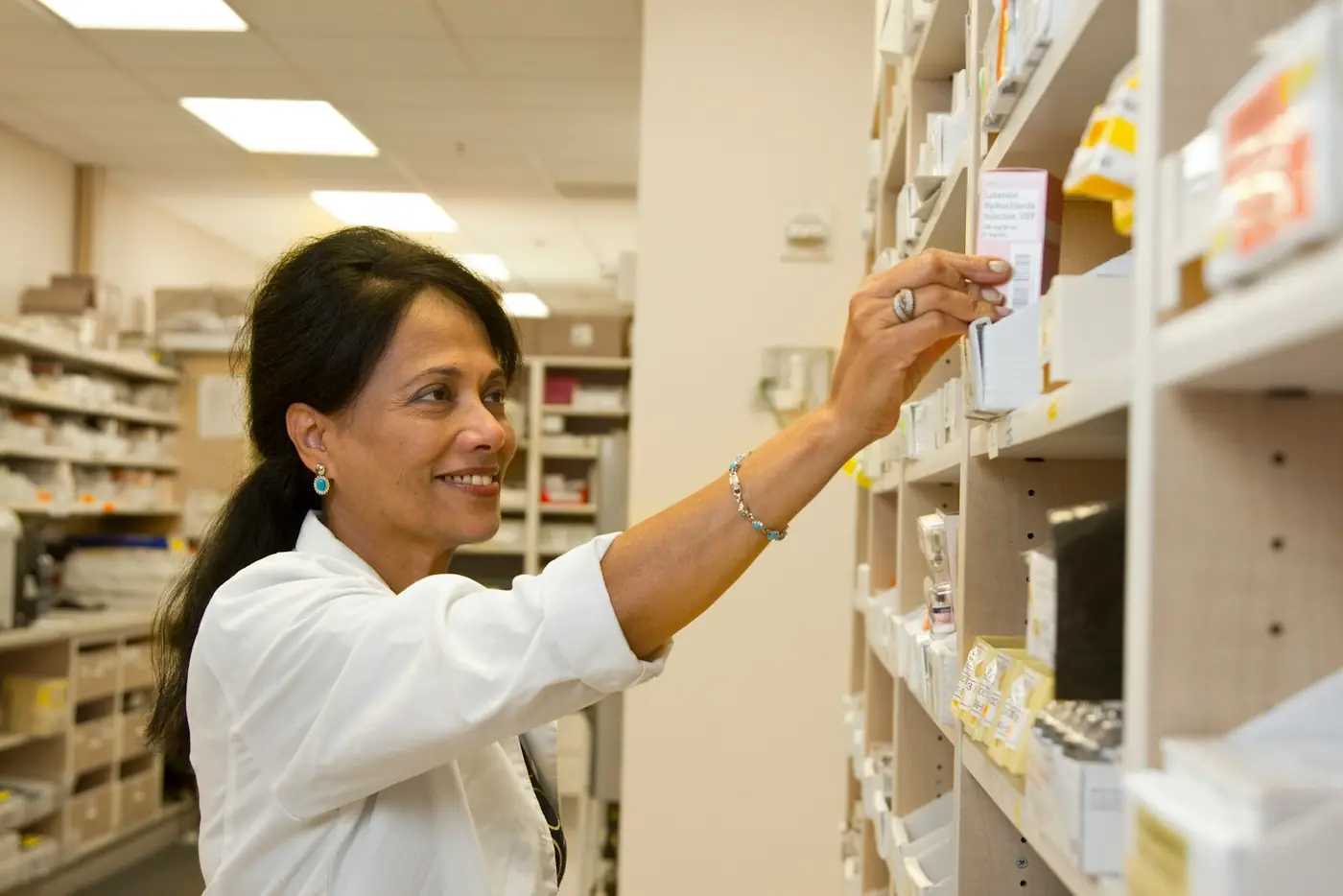
Bring the bottle to your pharmacist before you start. That's the single most useful step.
Should you try it
If you have prediabetes or type 2 diabetes, talk to your clinician first. They may suggest options with stronger evidence, including metformin or a GLP-1 medicine. If you're hoping for big weight loss, berberine is unlikely to deliver it.
For prediabetes, lifestyle change has some of the best proof of all. In the Diabetes Prevention Program, people who lost about 7% of their weight and got 150 minutes of activity a week cut their risk of type 2 diabetes by 58%. At 200 pounds, 7% is 14 pounds: how to lose 15 pounds.
Curious whether a prescription GLP-1 could fit you? Start with who qualifies for a GLP-1.
Common mistakes to avoid
- Stopping a prescribed diabetes medicine to switch to berberine. Never stop a prescription without your clinician.
- Stacking it with other "GLP-1 support" blends, which may contain more berberine or similar herbs.
- Paying extra for newer forms, like dihydroberberine, sold as better absorbed. There's little human data behind those claims.
- Skipping the pharmacist check, especially if you take several medicines.
Better bets
The habits with the strongest evidence aren't flashy, but they work and they stack:
- A modest calorie deficit you can live with: find yours.
- Protein at every meal to protect muscle: your protein floor.
- More daily movement, starting with steps: the best exercise for weight loss.
- Sleep and stress care, which make every other habit easier.
- If you have obesity or a weight-related condition, FDA-approved medicines have real trial data: see how they compare.
When to call your doctor
- You take any diabetes medicine and feel shaky, sweaty or confused.
- You take blood thinners, transplant drugs or other prescriptions.
- You're pregnant, breastfeeding or planning pregnancy.
Run your numbers
Keep reading

Common questions
Is berberine as good as Ozempic for weight loss?
No. Berberine trials show a few pounds on average, while GLP-1 medicine trials show 15% to 21% average loss at the highest doses.
How much weight can you lose with berberine?
Small, short trials suggest a few pounds on average. Results vary and study quality is mixed.
Is berberine safe?
It's often tolerated, but stomach side effects are common and it interacts with several medicines, including diabetes drugs.
Can I take berberine with metformin?
Ask your clinician first. Both lower blood sugar, and combining them can raise the risk of lows.
Is dihydroberberine better than berberine?
It's marketed as better absorbed, but there's little human research showing it leads to more weight loss.
Sources
Clinician review pending. Drafted from primary sources and waiting for sign-off by a licensed clinician (MD, DO or PharmD) before launch. Every number is checked against its source. Drug facts are re-checked quarterly, prices monthly and whenever a label changes. How we review · Report an error