
Pick a diet you actually like
To stick to a diet, choose one that fits your tastes and schedule, use flexible rules, and plan for hard moments before they happen. Adherence beats perfection: a plan you follow 80% of the time beats a strict one you quit in a week.
Trials comparing diet styles find similar results when calories match, so pick the foods you enjoy. Read the best way to lose weight.
Try a quick test: imagine eating this way on your birthday, on vacation and on a stressful Wednesday. If the plan has room for all three, it's a keeper. If it only works on perfect days, it will probably break on the first imperfect one.
Nine tips that help
- Set a gentle target. A 300 to 500 calorie deficit feels livable. Use the deficit calculator.
- Eat protein at every meal. It keeps hunger quieter.
- Fill up on volume. Vegetables, fruit, soup and salad. See high-volume foods.
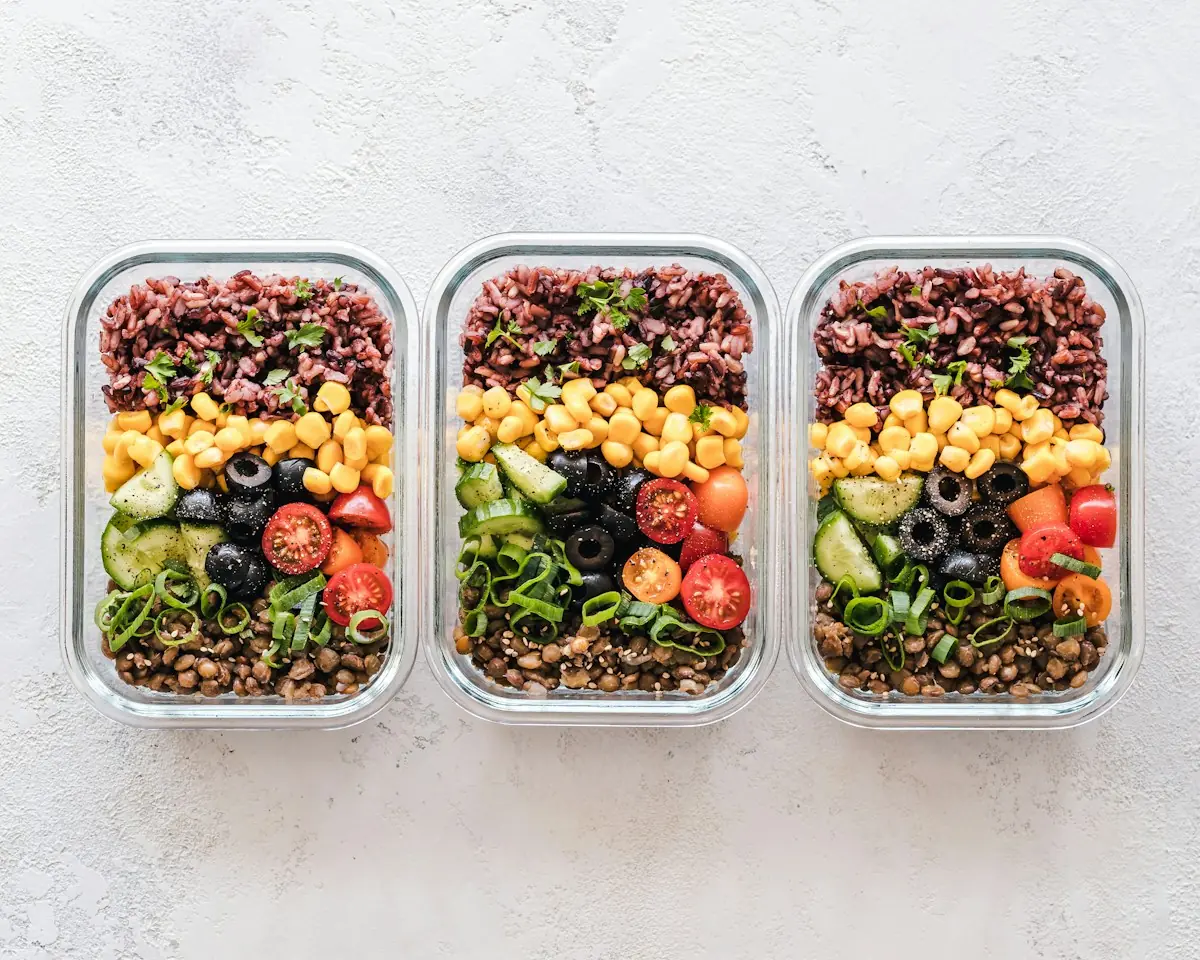
- Plan three dinners a week. Decisions are hardest when you're tired. Try meal prep for weight loss.
- Keep treats, in portions. An 80/20 approach keeps you sane.
- Don't drink your calories. Water, coffee, tea and diet drinks are easy wins.
- Sleep 7+ hours. Tiredness makes cravings louder.
- Track something. Food, steps or weekly weight. What you watch tends to improve.
- Find your why. More energy, keeping up with kids, better labs. Write it down.
You don't need all nine at once. Pick the two that feel easiest and start there.
The 9 pm plan
Evening is when most plans wobble. Prepare a default: a high-protein snack like Greek yogurt with berries, a cup of tea, and a cut-off time for the kitchen. If evenings are tough every day, an earlier eating window can help. Try the intermittent fasting calculator.
Use if-then plans
Researchers call these "implementation intentions," and studies suggest they help people follow through. You decide ahead of time what you'll do when a tricky moment shows up.
- If I get home starving, then I'll eat a yogurt before I start cooking.
- If there are donuts at work, then I'll have half of one with coffee, or save my treat for later.
- If I miss my morning walk, then I'll walk 15 minutes after dinner.
- If I'm bored at 9 pm, then I'll make tea and brush my teeth.
Write down 3 that match your own weak spots. Simple plans like these take the pressure off willpower.
After a slip
One big meal doesn't undo a week. A 1,000-calorie surplus is about a third of a pound of fat in theory, even if the scale jumps 2 lb from salt and water the next day. Go back to your plan at the next meal. No compensating, no punishment.
If eating feels out of control or tied to strong emotions, read emotional eating and consider talking to your doctor.
Make progress visible
Watch the weekly trend in the weigh-in tracker and note non-scale victories: looser jeans, better sleep, an easier walk. Seeing wins is one of the best motivators there is.
A monthly photo or waist measurement adds even more proof that your habits are working.
Set up your kitchen to help
Willpower runs out; your environment doesn't. Small changes at home make the easy choice the default.
- Keep fruit on the counter and treats in a high cupboard or out of the house.
- Pre-cut vegetables so they're ready to grab.
- Use a 9 to 10 inch plate for dinner; portions look generous without trying.
- Shop with a list after eating, not when hungry.
- Keep a few 5-minute meals on hand: eggs, canned tuna, frozen vegetables, microwave rice.
None of these are rules. They just mean fewer decisions on tired evenings, which is when most plans wobble.
Eating out without the stress
- Look at the menu ahead of time and choose before you arrive hungry.
- Start with a salad or a broth-based soup.
- Pick a grilled, baked or roasted protein.
- Ask for sauces and dressings on the side.
- Share a dessert, or box half your meal right away.
- Choose one extra: bread, a drink or dessert, and enjoy it fully.
Restaurant meals often run larger than home portions, but one meal won't undo your progress. Enjoy it, then get back to normal at the next meal. To see how meals fit your day, try the macro calculator.
Run your numbers
Keep reading

Common questions
How do I stick to a diet?
Pick a plan you enjoy, keep rules flexible, plan meals ahead and get back on track at the next meal after a slip.
Why do I always quit diets?
Strict rules, big deficits and no plan for hard moments are common reasons. Smaller, flexible changes are easier to keep.
How do I stop eating at night?
Eat enough protein during the day, plan a satisfying evening snack and set a kitchen cut-off time.
Is it OK to have cheat days?
Planned treats can help, but a full cheat day can erase a week's deficit. Many people do better with small daily treats.