The short answer
No. Every approved GLP-1, including Wegovy, Zepbound, Ozempic and the Wegovy pill, is prescription-only.
That's true for the shots and for the pills. If something on a store shelf or website says "GLP-1" and doesn't need a prescription, it isn't one of these medicines.
Every approved GLP-1 needs a prescription
| Medicine | Form | Approved for |
|---|---|---|
| Zepbound (tirzepatide) | Weekly shot | Weight management; sleep apnea with obesity |
| Wegovy (semaglutide) | Weekly shot | Weight management; lowering heart risk in people with heart disease |
| Wegovy pill (oral semaglutide) | Daily tablet | Weight management |
| Saxenda (liraglutide) | Daily shot | Weight management |
| Ozempic, Mounjaro, Trulicity, Victoza | Shots | Type 2 diabetes |
| Rybelsus (oral semaglutide) | Daily tablet | Type 2 diabetes |
Not one of them is sold over the counter. See the full list on our GLP-1 medicines page.
Why GLP-1s need a prescription
- Doses step up slowly. Starting too high causes heavy nausea and vomiting. See how GLP-1s work.
- They carry a boxed warning about thyroid C-cell tumors, and aren't for people with certain thyroid cancer histories.
- They interact with other medicines, like insulin and sulfonylureas, which can cause low blood sugar.
- Some people shouldn't take them, such as those with a history of pancreatitis or severe stomach emptying problems.
- They need follow-up. A prescriber watches for dehydration, gallbladder problems and mood changes, and adjusts other medicines as your weight and blood sugar change.
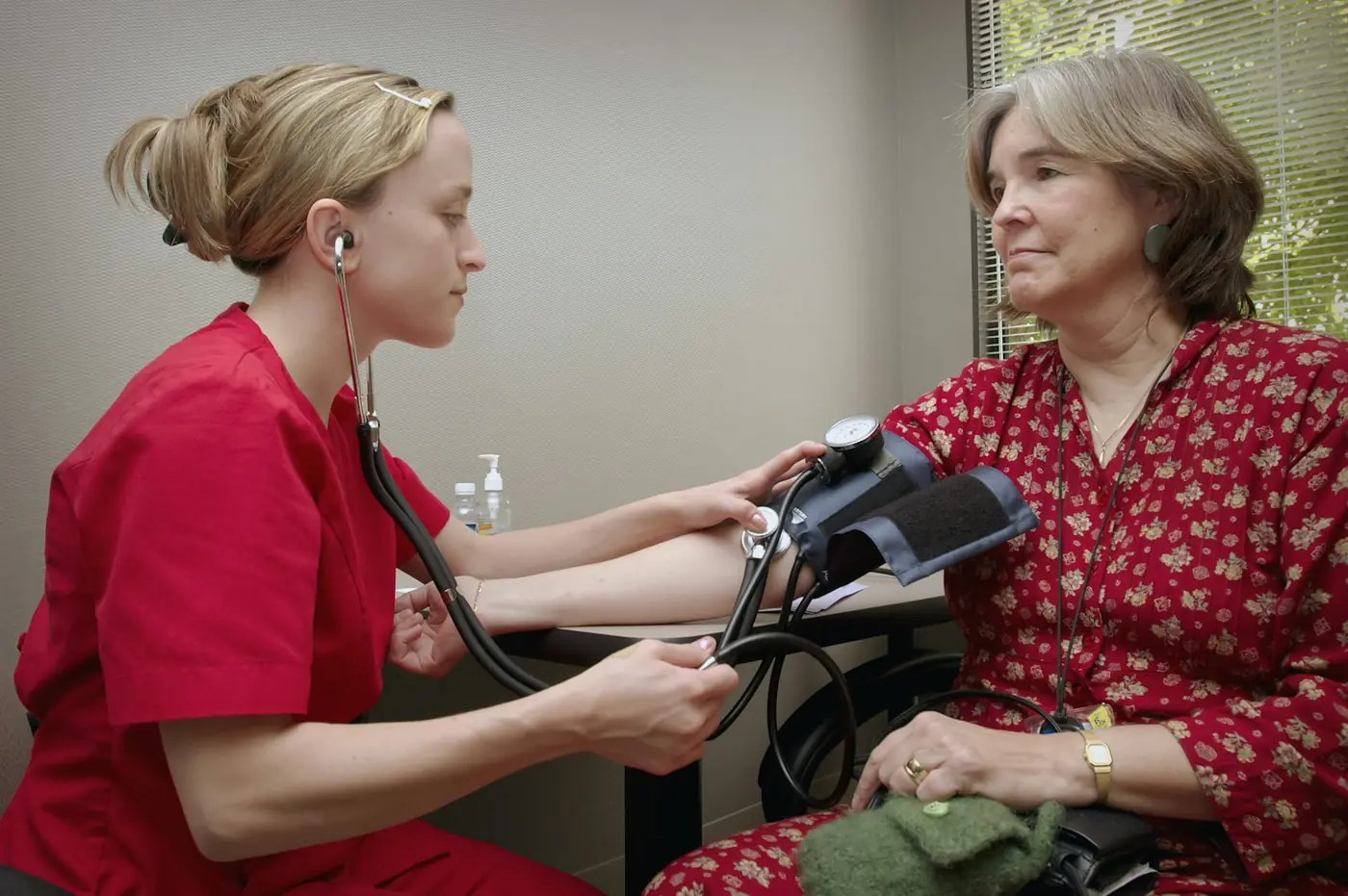
Think of the prescription as a safety check. Someone confirms the medicine suits you before you start, then keeps checking while you take it.
What "GLP-1 supplements" really are
Products marketed as "GLP-1 boosters", "nature's Ozempic", drops or patches usually contain things like berberine, fiber or plant extracts. Some of these may nudge gut hormones slightly, but none deliver a GLP-1 medicine, and none have shown results close to approved drugs. More: does berberine work? and do weight-loss patches work?
Online sellers to avoid
The FDA has warned about websites selling semaglutide or tirzepatide without a prescription, products labeled "for research only", and counterfeit pens. These may contain the wrong dose, the wrong ingredient or contaminants. If a seller doesn't require a prescription from a licensed clinician, walk away.
How to spot a risky product
- No prescription, or a quick online quiz with no licensed clinician involved.
- Labels that say "research use only" or "not for human consumption".
- Powder in a vial that you mix yourself, with dosing in "units" instead of milligrams.
- Pens with packaging, spelling or lot numbers that don't match the brand.
- Sold through social media messages or by sellers who won't name a licensed pharmacy.
Your state board of pharmacy can confirm whether a pharmacy is licensed. Compounded versions are a separate topic with their own risks: see where compounded GLP-1s stand.
Habits that work with your hormones
No food or supplement acts like a GLP-1 medicine. Still, some everyday habits support your body's own fullness signals, and small wins count:
- Protein at each meal tends to keep you full longer. Find your protein floor, or try high-protein breakfasts.
- Fiber from beans, oats, vegetables and fruit slows digestion a little.
- Eating slowly gives fullness hormones time to reach your brain, which takes about 20 minutes.
- Sleep matters too. Short sleep is linked to more hunger: read sleep and weight loss.
The effect of habits like these is real but modest. They pair well with medicine if you and a clinician decide on one.
What you can buy without a prescription
The only FDA-approved weight-loss drug sold over the counter is orlistat 60 mg (Alli). It's modest, but it's real. Everything else on the shelf is a supplement. See what you can take to lose weight.
Orlistat works in a completely different way from a GLP-1. It blocks some of the fat in a meal from being absorbed, rather than calming appetite. High-fat meals can cause oily, urgent stools, so it works best with lower-fat eating. It isn't for people who are pregnant or have certain digestive conditions, and it can affect some medicines, so ask a pharmacist first.
When to talk to your doctor
- If you're interested in a GLP-1: a licensed clinician can check whether you qualify. We can help you find one in your state.
- If you've used a product bought online and feel unwell.
- If a supplement makes your heart race or causes stomach pain.
Run your numbers
Keep reading


Common questions
Can I buy a GLP-1 over the counter?
No. All GLP-1 medicines in the US require a prescription.
What is the closest thing to Ozempic over the counter?
Nothing comes close. Orlistat 60 mg is the only FDA-approved over-the-counter weight-loss drug, and it works differently and more modestly.
Are GLP-1 patches real?
Patches sold as "GLP-1" don't contain an approved GLP-1 medicine, and there's no good evidence they cause meaningful weight loss.
Sources
Clinician review pending. Drafted from primary sources and waiting for sign-off by a licensed clinician (MD, DO or PharmD) before launch. Every number is checked against its source. Drug facts are re-checked quarterly, prices monthly and whenever a label changes. How we review · Report an error